Food redistribution charity Felix calls for tax changes to incentivise food redistribution in new Budget as new report is published
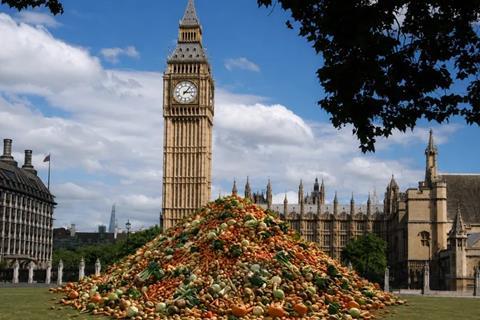
Nearly 1,000 charities and community organisations across the UK have come together in a joint letter from food redistribution charity Felix, calling on the Chancellor to use the autumn Budget to introduce corporation tax incentives to make it easier and cheaper for food businesses to redistribute surplus food.
The Budget is due to be announced by the Chancellor John Healey tomorrow 28 October.
The proposed tax changes would reward businesses for redistributing surplus food, covering both the cost of the food and the cost of rescuing it, making redistribution the economically viable first choice for surplus food ahead of animal feed, anaerobic digestion or landfill.
Felix emphasised that tax incentives would provide a long-term solution and help avoid peaks and troughs, as opposed to providing a short-term fix to temporarily unlock food.
The charity recalled when the government’s Farm Gate scheme made donations cost-neutral for growers, over 12,000 tonnes of fresh produce reached communities.
But when the funding ended, the amount of fresh produce Felix redistributed fell by 39 per cent.
Many of the letter’s signatories include homeless shelters, pantries, community kitchens and breakfast clubs.
Felix added that many of these organisations are working at capacity in a time in which food prices have risen by 38 per cent since 2020 and 12 per cent of UK households are currently experiencing food insecurity.
The letter is also supported by all members of the Food Redistribution Partnership UK, a coalition of key sector groups working together to reduce food waste and fight food insecurity.
The partnership is made up of City Harvest, Community Shop, The Bread and Butter Thing, His Church, Felix, Feeding Britain, Neighbourly and the wider Xcess Network.
Charlotte Hill OBE, CEO of Felix, said: “We know anyone involved in growing and producing food would much rather see any surplus food they have ending up on people’s plates, but sadly this is not always the most financially viable route. That is why it is so important for the Treasury to look at our proposal.”
“I am delighted to see so many organisations supporting this ask which we all feel confident could unlock more food and help us all deliver greater impact to communities across the UK,” she added.
New report outlines need for action
The letter comes as Felix launches its new Redistribution Revolution Report, an in-depth look at the scale of surplus food and the barriers to redistribution in the UK.
The report also sets out the changes needed to triple surplus food redistribution, an ambition set out by the National Programme to Redistribute Surplus Food, which was launched in May 2026 by former prime minister Keir Starmer.
Alongside the tax reform suggested in the letter, the report lays out four other policy changes that could have a ’revolutionary’ impact.
-
Scaling Fund for Food Supply, to keep surplus moving to people while longer-term reform is put in place.
-
Redistribution built into Food Nation 2040 and the Circular Economy Growth Plan, so it’s treated as a way to deliver the government’s goals.
-
Mandatory reporting of surplus food, so government, industry and charities can see where the food is.
-
Official guidance on liability, to remove a barrier that exists in perception but not in law.