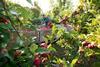
BAPL expects recent warm weather to help fruit develop excellent sweetness, colour and aroma, with yield around the five-year average

Retailers can expected a dependable supplies of British apples and pears well into 2027

Retailers can expected dependable supplies of British apples and pears well into 2027

Image: BAPL

The upcoming apple and pear harvest is expected to deliver great flavour and good supplies throughout the season, according to industry body British Apples & Pears (BAPL). 

The harvest, which begins in September, is unlikely to be a record-breaker in terms of yield, but the eating quality could be among the best for many years, according to growers. 

Following crop assessments across orchards in England, growers expect overall production to be around the five-year average. They are expected to provide retailers with dependable supplies of British apples and pears from the start of the season and well into 2027. 

Great flavour and colour is also likely, as growers expect the recent warm weather to help the fruit develop excellent sweetness, colour and aroma. 

Although temperatures have reached record-breaking levels by UK standards, Britain’s relatively temperate climate allows apples and pears to ripen more slowly than in many parts of continental Europe. This longer ripening period helps to develop the distinctive flavour and eating quality of the fruit, according to BAPL. 

Ali Capper, executive chair of BAPL, said: “We’re expecting a reliable season for British apples and pears. Overall volumes are looking solid and, most importantly, we expect the fruit to taste exceptional. 

“One of the advantages of growing fruit in Britain is that our climate allows apples and pears to mature gradually. The slower ripening in the UK also gives the fruit time to develop the sweetness, flavour and colour that consumers love.”

She continued: “In addition, and very importantly, British growers have invested in precision irrigation, so despite the recent hot, dry weather, we are able to produce a very good crop.” 

Despite this, there is likely to be cosmetic variation across some orchards due to hail damage and spring frosts.

While the impact is likely to be limited, some retailers are already talking to suppliers about flexibility on cosmetic specifications for their core lines, and growers emphasise that naturally occurring marks do not affect flavour, texture or eating quality. 

“As with every harvest, nature has left its mark in some orchards,” Capper said. “A small proportion of fruit has been affected by frost marks and hail, but these marks are purely cosmetic marks. The eating quality is just as good.

“We’re encouraging retailers to recognise that natural variation is part of sustainable food production. If we’re serious about reducing food waste, we need to value all fruit for how it tastes rather than expecting every apple to look exactly the same.”