10-year action plan launched with ambition to increase organic farmland to 10 per cent by 2036
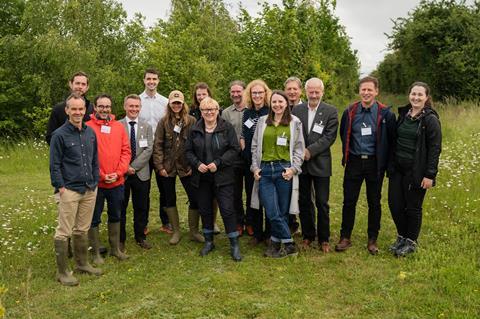
The Organic Action Plan for England (OAPE) has been published today, Wednesday 14 October, by Environment Secretary Dame Angela Eagle.
The plan, developed in collaboration with the English Organic Forum (EOF), sets out how the government and organic sector will work together for the next 10 years to grow the market while supporting farmers transitioning to organic production.
The plan includes an ambition to increase England’s organic farmland from around 3.4 per cent today to 10 per cent by 2036.
Dame Angela Eagle said: ”People are buying more organic food, and we want English farmers to be in a strong position to respond to that demand.
”Our Organic Action Plan for England is about opening up opportunities across the sector, from backing farmers already producing organic food to helping others decide whether it could work for their businesses,” she added.
The NFU has welcomed the plan as a positive step, and has said it has the potetial to support NFU members, unlock growth and strengthen the resilience and success of the organic sector across England.
The plan recognises the potential benefits of organic farming for soil health, biodiversity, water quality and animal welfare.
It comes as demand for organic produce also continues to grow, with UK organic retail sales reaching £3.9bn in 2025. The plan aims to support English farmers to “fulfil a greater share of this growing market”.
The EOF also said the plan has an important role to play in strengthening the resilience of English farming as food production is increasingly threatened by extreme weather, volatile input costs and disruption to global supply chains.
Aims of the plan
The new plan focuses on three areas: supporting existing and new organic producers and processors; bringing supply more in line with demand; and building demand for English organic products through greater consumer awareness and public sector procuresment.
For farmers and growers, the plan aims to break down barriers to organic conversion by providing better access to information, advice, peer networks, markets and supply chains.
For businesses, it seeks to improve understanding of where domestic supply can meet demand, helping producers, processors and buyers identify new market opportunities.
Increasing awareness of organic certification and encouraging reater uptake among consumers and public sector buyers is also included within the plan.
Sector to react
The action plan was announced on the eve of the 2026 Organic Trade Conference, where the Soil Association is expected to reveal the latest market growth trends to leaders from across the sector.
The NFU’s deputy president Paul Tompkins has welcomed the Organic Action Plan for England as a positive step toward providing greater certainty, unlocking growth and building a more resilient sector.
Helen Browning, Soil Association chief executive, said: “It’s great to see government backing organic with an action plan that will help us build farming systems that are less dependent on harmful chemicals and more resilient to climate change, boosting nature and safeguarding food security in the process.
”We’re excited to work with government to unlock economic opportunities by helping more British farmers and food businesses meet consumer demand for organic, reducing our reliance on imports,” she added.
The EOF said success will ultimately be measured by not simply the publication of an action plan, but by whether more farmers convert and more organic food reaches the market to satisfy consumer demand.
To support transitioning farmers and supporting existing organic businesses, the forum called for stronger, ringfenced support through the Sustainable Farming Incentive (SFI).
Adrian Steele, co-chair of the EOF and Soil Association Farming Advisor, said: “An Organic Action Plan for England is a win for the UK’s food and farming system. It recognises that more organic land can help the government to deliver its wider environmental goals, from healthier soils and cleaner water to more biodiversity and less reliance on artificial inputs like pesticides.
“With growing consumer demand for organic often being met by imports, we have long called for a more joined-up approach that breaks down supply chain barriers and helps farmers meet that demand,” he continued.