Half of shoppers say organic label would make them trust a product more, as organic sales continue to climb
Fewer than half of UK consumers (44 per cent) trust food labels, according to new research by the Soil Association commissioned ahead of its Organic September campaign.
The survey of 2000 UK adults found that over half of participants (53 per cent) find food labels overwhelming.
The Soil Association cite questionable sustainability and sourcing claims as contributing to consumer fatigue and confusion around food labelling.
Despite this, half of shoppers (51 per cent) said that an organic logo would make them trust a product more.
The Soil Association said terms like ‘regenerative agriculture’ have increasingly been used for greenwashing in the food and drink sector.
Campaigns including Riverford’s Farmers Against Farmwashing have also drawn attention to the use of Union Jack displayed in fruit and veg aisles, and fictional farm names to make produce look like it is coming from British family farms.
Meanwhile, a recent report by the Farm Animal Investment Risk and Return Initiative (FAIRR) found that amongst the companies they reviewed claiming to have regenerative agricultural programs, none had set a target to reduce the use of artificial pesticides.
Alex Cullen, commercial and marketing director at Soil Association, said: “As Brits grow more concerned about hidden artificial chemicals and confusing labels, new research suggests organic is emerging as a simple, trusted choice for shoppers who want food and other products with greater transparency.”
The research also found that one in five consumers actively try to avoid pesticides, food contaminants and GMOs when shopping for food.
According to The Soil Association, avoiding artificial pesticides is the leading reason consumers choose organic food and drink, alongside perceptions of higher animal welfare standards and less processed food.
The findings come as the UK organic market continues to outperform conventional sales growth in volume and value, the association said.
“The latest available figures from June 2026 show volume growth across major retail was at 0.1 per cent with conventional remaining at -0.1 per cent. Value growth is at 5.4 per cent vs 3.7 per cent for conventional, despite a drop in inflation narrowing the value growth difference between organic and conventional to 1.7 per cent,” the association said.
Cullen continued: “Many organic items are now the same, minimally more expensive or even a cheaper price than their conventional counterparts, and this Organic September, we are encouraging consumers to make some simple swaps of the food items they regularly buy to organic.”
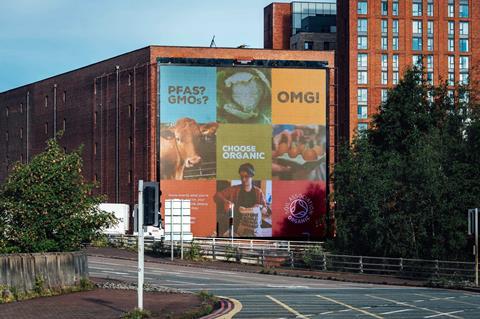
To mark the beginning of Organic September, the Soil Association have taken over the UK’s largest billboard, The Manchester Screen, to promote the benefits of going organic. The association will host a number of events and activities throughout the month to mark the occassion.