More favourable conditions are helping growers reduce imports from Europe, but a full recovery remains out of reach
Rainfall and more favourable growing conditions in the UK has helped improve the quality and availability of brassicas, according to fresh produce business Veg-UK.
The improvement comes after prolonged heat and scorching temperatures this summer led to what the British Growers Association (BGA) described as a “disastrous” summer for British brassicas.
However, a change in conditions has brought some welcome relief for the crops.
Shane Talling, director of business development at Veg-UK, said: “The recent rainfall, combined with much favourable growing conditions, has made a huge difference to the crops.”
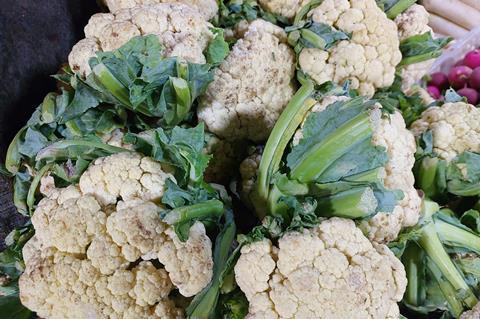
Cauliflower crops that were due to be harvested weeks ago, have now started to come through, Talling explained.
Their arrival comes at the same time as later plantings that were not expected for another couple of weeks. This overlap has led to a short-term flush of availability.
This has enabled Veg-UK to stop importing products from Holland, Poland and Germany, which they had been since the end of July and start of August period.
However, broccoli is still in relatively tight supply, Talling warned, and challenges are likely to remain in the coming weeks.
“During the final period of the heatwave, planting was significantly reduced or stopped altogether in some areas, while many young plants that had already been planted were lost completely,” he said.
“This has resulted in a significant loss of planted acreage, and will inevitably leave gaps in production further down the line.”
Talling added that he believed prices are likely to increase this year as growers struggle with lower yields.
“The current availability of product is therefore very welcome, but it shouldn’t be mistaken for a full recovery of the crop,” Talling said.
“We still expect the effects of this summer’s extreme conditions to be felt as we move through this season and the winter season,” he added.