Retailers urged to educate consumers about the changing season, review supply commitments and help redirect surplus fruit into alternative markets
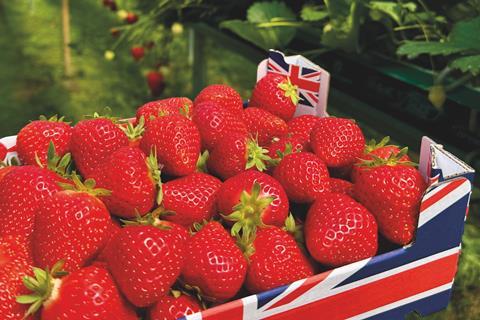
UK retailers have been urged to educate consumers about the changing growing season as this year’s favourable growing conditions left some growers facing surplus fruit.
Bal Padda, grower at Vicarage Nurseries in Bretforton, Worcestershire, said a lack of orders had forced him to slow harvesting operations in early October, with some of his crop going to waste.
Padda said that the traditional British strawberry season was changing, with production continuing later into the year than many consumers and retailers might expect.
While harvesting at his nursery continued until 24 November last year, Padda expects at least eight more weeks of picking this season, potentially extending the season into December.
“The season is no longer the way it was before,” he said. “The climate has changed, and we as people haven’t adapted.”
The extended season followed a delayed start to production, as cooler spring temperatures slowed ripening before summer heatwaves and favourable conditions in September and October accelerated late-season crops.
According to Scottish soft fruit supplier Angus Soft Fruits, the favourable autumn weather resulted in higher-than-anticipated availability than would normally be expected at this point in the season.
This created a reported overlap in supply as supermarkets began to import produce.
“Depending on individual retailers’ existing commitments to imported supply, some British growers may have found it more challenging to secure a home for additional volumes,” said David Buxcey, sales director at Angus Soft Fruits.
Calls for communication
Padda said the industry needed to recognise that consumers might assume the British season had ended, despite fruit remaining available from domestic growers.
He called on retailers, growers and the wider industry to communicate the extended season more effectively, helping consumers understand when British strawberries remain available.
“The season in the last five or six years has not been predictable,” he said. “Retail has a duty as much as anybody else to tell the consumer that the UK season has changed.”
“It’s all about education - the retailer, the grower and the consumer need to be educated and understand that climate change is now a big part of what farming is,” he added.
Nick Marston, chair of British Berry Growers, said the availability of British strawberries later in the year reflected significant investment by growers to extend domestic production.
“The fruit available now demonstrates both the industry’s investment in a longer season and growers’ ability to adapt to changing conditions,” he said.
”We want retailers to continue supporting the British crop and give consumers every opportunity to choose home-grown strawberries while they remain available.”
He added that better forecasting, close communciation across the supply chain and flexibiltiy from retailers on supporting British-grown, larger pack sizes and promotions were important in helping the market repsond to changing volumes.
“As climate change brings greater volatility to growing conditions in the UK and overseas, a strong and resilient British berry industry will become increasingly important.”
Padda also called for retailers to help direct surplus fruit into alternative markets, including processing for products such as jam and smoothies, rather than allowing fruit to go to waste.
However, as temperatures fall, the supply picture is expected to tighten. According to a recent crop report from foodservice supplier Fresh Direct, volumes have now begun to naturally decline.
Buxcey added: “With some of the British crop effectively brought forward by the favourable weather, we expect the market to tighten considerably as we move into November.”