Rigid retailer restrictions causing otherwise perfectly suitable British crops to go to waste
UK farmers and growers across the UK have called on retailers to relax appearance standards for fresh produce that has grown in usual shapes following a summer of extreme heat.
Consecutive heatwaves and dry conditions have caused cosmetic defects, pest damage and crop flushes across the country, contributing to a surplus of ‘wonky’ British crops.
Growers say retailer rejections are leaving them with little option but to discard crops that remain perfectly suitable for consumption, adding to food waste and putting further financial pressure on farms.
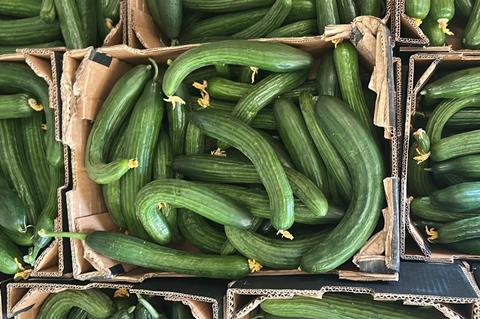
This summer, crops such as broccoli have been left ‘suntanned’ by extreme heat, while a lack of water has led to some misshapen cucumbers.
Potato grower James Pullen, who is based in Tintinhull near Yeovil, told BBC news he was facing losses of around £200,000 after extreme weather affected the quality and size of his crop.
He said many of his potatoes were too small to meet retailer requirements, while green or damaged ones were being diverted to animal feed. He said retailers would not accept such produce.
The issue has prompted wider calls for greater flexibility from supermarkets and a review of current standards.
In August, FPJ reported that surplus veg scheme Oddbox rescued 6,000 heads of sunburn cauliflower in a week as retailers rejected cosmetic defects caused by recent heatwaves.
MP Sarah Dyke has launched a petition urging the government to work with supermarkets to relax cosmetic standards and stop British food going to waste.
Updating the government’s current fresh produce appearance standards would be key to helping the country strengthen its food security, she told BBC news.
In a video posted to Facebook, Dyke criticised retailers for rejecting British produce while turning to imports, a situation she described as “simply not good enough”.
Among the potential solutions are investment in water infrastructure and legislation, including through a proposed Good Food Bill.
The calls come as growers are set to face increasing pressure from more volatile weather conditions in the coming years.