With November likely to see the start of a tighter supply of mangoes from South America, opportunities could open for alternative origins Brazil and India to gain ground in 2027
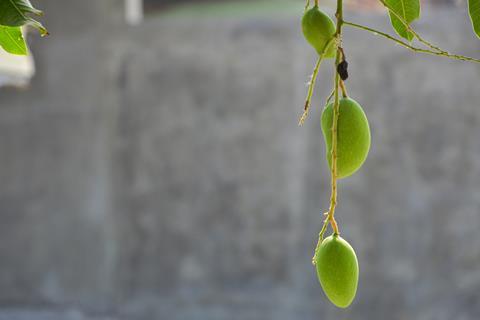
Mango supplies from Ecuador and Peru are expected to come under pressure between November 2026 and February 2027, with some shortages potentially extending to March.
The 2026/27 El Niño, which is expected to peak in December and forecast to persist through February 2027, will intensify in the coming months with big impacts on rainfall and temperature patterns, according to the World Meteorological Organisation (WMO).
According to Robert Ybarra, CEO of US-based wholesaler Chico Produce, the most significant concern is in South America, with Ecuador’s production projected to decline by approximately 50 per cent compared with last year. Early estimates from Peru have suggested a reduction of 30 per cent or more.
“Peru is particularly concerning because warmer-than-normal temperatures have disrupted flowering and fruit development in important growing regions such as Piura and Lambayeque,” Ybarra said.
Price rises are also expected during December and January, when South American supplies could be at their tightest. The extent of the increase will depend on Brazil’s ability to maintain shipments and whether Peruvian production improves.
“British importers may become increasingly dependent on Brazilian fruit,” Ybarra added. “This could lead to greater competition for available supplies, higher import costs and reduced promotional opportunities for UK retailers.”
As Brazil’s season winds down, however, the market will become increasingly dependent on Ecuador and Peru, potentially intensifying the impact of any production shortfalls.
“We are hopeful Brazil can extend its shipping season well into December. That would provide some much-needed relief until other growing regions can contribute more volume,” Ybarra added.
Alternative origins could gain ground
Despite the anticipated disruption, Ybarra expects the UK market to remain broadly supplied, although availability might become less consistent, particularly in preferred sizes and varieties.
“Retailers face the challenge of sustaining promotions and keeping shelves stocked. As supplies tighten, they may need greater flexibility in fruit sizes, varieties, and countries of origin.”
“There may be periods of tighter availability, particularly for Kent mangoes and certain retail specifications,” he added.
The UK already sources mangoes from a range of countries including West Africa, India, Pakistan and other countries.
Ybarra said: “I believe India has tremendous long-term potential in the UK mango and USA market, particularly with premium varieties such as Alphonso and Kesar.
“India has an established consumer following in the UK, and these varieties offer distinctive flavor profiles that can differentiate them from traditional supermarket mangoes,” he added.
Kaushal Khakharm, CEO of Indian fresh produce exporter Kay Bee Exports, said the anticipated supply contraints could create opportunities for Indian mangoes to gain a greater foothold in the market.
“A lot of Latin American sources may struggle, and Indian mangoes can be a good fit to fill in those gaps,” he said. “I think we will need to convince consumers and retailers that Indian mangoes are a good alternative, so it will take some time to have consumers and retailers look at this as a possibility,” he said.
One challenge will be persuading retailers to shift from sea-freighted fruit to air-flown Indian mangoes, which he also says have higher flavour.
Moreover, India’s primary export season generallu runs from spring to summer, limiting its ability to provide a direct replacement for the anticipated December-to-February shortfall when shortages for Ecuador and Peru are expected.
With India showing potential to enter the market in 2027, Ybarra added that Pakistan, Senegal, Ghana and the Dominican Republic may also have potential to expand their presence in the UK market.