County Armagh potato packer and processor begins trials using digestate as sustainable crop fertiliser
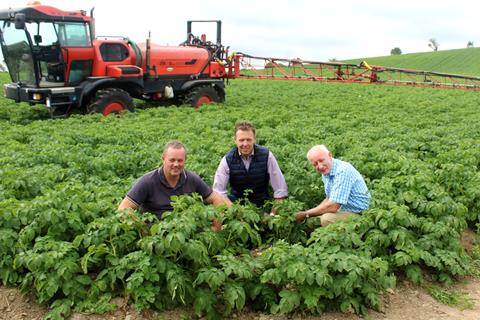
Northern Ireland-based potato packer and processor Wilson’s Country is trialling new production methods aimed at reducing the carbon footprint of its crops.
The company has initiated a trial potato crop using digestate from its anaerobic digestion (AD) plant as its fertiliser source.
The AD plant uses waste potato peelings from the business as a key feed stock and now produces almost 60 per cent of the company’s electricity requirements.
According to managing director Lewis Cunningham, fertiliser use is the highest contributor to the carbon footprint of potato production.
Cunningham said: “This year, we initiated a trial using digestate from our AD operation as the main fertiliser source for a potato crop produced under totally commercial growing conditions.
“The site selected features a high organic matter soil. Prior to ploughing, digestate was applied to the plot, and the crop was planted at the end of April.”
A crop of the early potato variety Manhattan was chosen for the project, with harvest expected in mid-September.
However, the company recognised from the outset that the digestate could not supply all the nitrogen required by the crop.
Stuart Meredith, agronomist at Wilson’s Country, said: “We took the decision to use a liquid-based mineral catalyst that converts nitrogen oxides and nitrous oxide in the air into plant-available nitrate, which is absorbed through the leaves.”
The catalyst, which is water-soluble, was included within the blight control programme and is applied to the crop in spray form on a fortnightly basis, the company said.
“This new technology delivers two key benefits,” Meredith added. “In the first instance, it can deliver up to 50kg per hectare of plant-available nitrogen over the course of a growing season.
“And, by virtue of the fact that the process is removing potent greenhouse gases from the atmosphere, the carbon footprint of the growing process is significantly reduced.”
Cunningham said: “Directly after harvest, we will analyse the results achieved with a clear focus on assessing the carbon footprint of the project in full,” he added. “These results will be compared with those achieved from crops of Manhattan produced using a standard fertiliser regime.”
The trial forms part of a wider sustainability strategy being implemented across the business. Cunningham added: “The use of the digestate reflects our commitment to the development of a circular economy within the Wilson’s Country operation.”
In 2025, the company also transitioned its distribution fleet to fully renewable biomethane-powered lorries through an agreement with haulier McCulla Ireland, further reducing emissions across its supply chain.
In January 2026, the company installed a solar array at its cold store site to increase its use of renewable electricity.