Some stakeholders suggest up to 30,000ha should be eradicated to tackle oversupply and falling prices
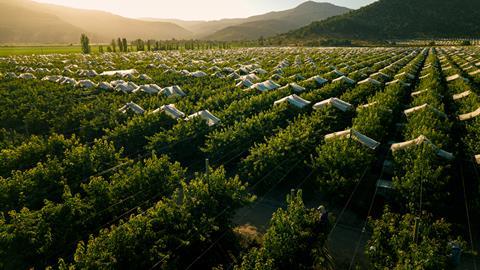
The crisis engulfing Chilean cherry producers is fuelling debate about the need to drastically reduce supply, with local new sources suggesting some stakeholders have proposed cutting acreage by half in a bid to restore balance to the market. This would be mean uprooting 30,000 of the country’s 60,000ha of production.
Based on current industry projections, around 5,000ha of new production will be added by 2030, further increasing the exportable supply maintaining downward pressure on prices.
In a video posted on Instagram, Antonio Walker, president of the National Agricultural Society (SNA) said the current situation requires structural solutions. “Today, the cherry industry is facing a very difficult time. Let’s be very clear: there are currently too many cherries in Chile,” he stated.
An over-reliance on the Chinese market has left exporters with few options when demand there failed to keep pace with supply, leading to a drastic drop in prices. Not all producing regions have fared the same – while some areas managed to maintain acceptable export volumes, others faced difficulties in selling their production, resulting in significant losses.
Analyst Juan Pablo Subercaseaux told Smartcherry that the crisis stemmed from “the sector growing exponentially in a short time, while consumption did not keep pace”. According to his perspective, changes in Asian consumer demand and a lack of diversification in receiving markets directly impacted the stability of the Chilean business.
While the future of the industry hangs in the balance, one fact that cannot be escaped is that the days of selling huge quantities to China for Lunar New Year at premium prices are over. As the industry moves from high-margin scarcity to high-volume competition, producers will turn increasingly to other markets in Southeast Asia, North America, Europe and the Middle East. But there is no quick fix – no market can absorb the volumes currently shipped to China in the short term.
And when it comes to the Chinese market itself, the future will likely see exporters rely on smaller volumes of higher-value fruit to drive returns.