Small citrus producing country on South Africa’s eastern border loses out as China cuts tariffs on African imports
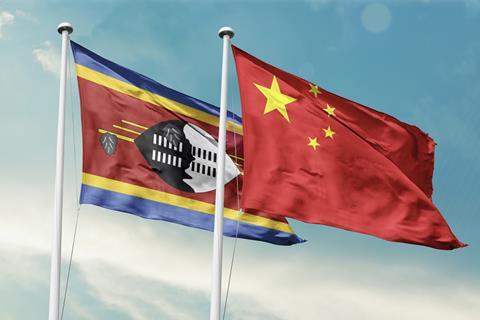
The new Chinese agreement on zero tariffs for just about every country it does business with in Africa covers continent’s 20 largest economies, including South Africa, Egypt, Nigeria, Algeria, and Kenya.
Previously, China had removed tariffs on 33 poorer African nations, meaning 53 of the continent’s 54 countries now qualify for tariff-free exports, according to Chinese authorities.
The only country that has been excluded is Eswatini, the small land-locked country on South Africa’s eastern borders.
Its exclusion is because of its formal diplomatic ties with Taiwan.
Trade, industry and competition minister Parks Tau welcomed Beijing’s decision to expand its zero-tariff policy to cover imports from all African countries with which it has diplomatic relations, including South Africa.
Eswatini is Taiwan’s last diplomatic ally in Africa, maintaining a strong relationship characterised by mutual support and cooperation since 1968.
The small country is a well-known citrus producer and has also in the past offered high-quality grapefruit to the world’s markets.
The Eswatini citrus industry is also a partner in the Southern African Citrus Growers Association, mainly controlled by South Africa, but with Botswana, Zimbabwe and Mozambique also benefiting from joint technical and research projects.
Its closest port is Maputo, with direct shipping routes to the East.