Approved bill will cover domestically developed agricultural products throughout entire lengthy rights registration process
Japan has revised its plant variety protection laws this month to provide further protection against the unauthorised export and sale of domestically developed agricultural products and fruit in international markets, according to a report from Japan Today.
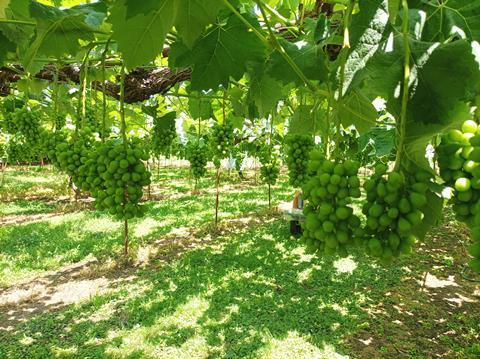
The bill was approved at a plenary meeting of the House of Councilors, the upper chamber of the Diet, on 17 July and will allow agricultural product developers to pursue injunctions against unauthorised exports at any point during the rights registration process.
Registration screenings can take up to six years, according to Japan Today, which has previously left developers vulnerable to unauthorised leaks without grounds for legal ramifications.
In one such case, Japan-developed Shine Muscat grapes which were sold overseas without approval caused losses of almost ¥20bn (US$123mn) a year in royalties, according to an estimate by the agriculture ministry.
The revised laws follow a recent announcement that the ministry will launch a new organisation in August to safeguard fresh produce IP developed in Japan.