Heatwaves and drought conditions are likely to reduce yields and tuber size of the English potato crop, while Scotland could still see average harvest due to higher rainfall
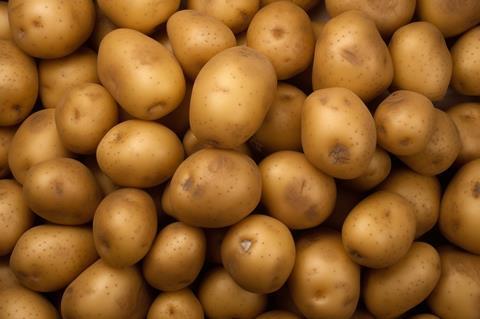
English potato yields are expected to be down with smaller tuber sizes after the drought and heatwaves have caused irrigation pressures and slowed crop growth.
While the potato growing season is still underway, with lifting not due until September and October, crops are already likely to have been affected by recent extreme heat.
It’s a mixed picture across the UK, with areas including Herefordshire, Shropshire and East Anglia most affected by heat and drought, and potato growers in some areas facing ‘disaster’ harvests.
Meanwhile, Scotland could see an average harvest as weather conditions have been more favourable.
“In England, because of the high heat and low rainfall, generally there are less tubers,” said CEO of GB Potatoes, Scott Walker.
“In Scotland, they’ve had weeks of grey skies and drizzle. It’s also been a lot cooler and with a decent amount of rain. Scotland may end up being a bit more of a normal year,” he said.
As the UK faces its fifth heatwave of this year this week, with temperatures reaching 38.1 degrees yesterday (13 August), dry conditions look set to continue.
But even with rain, potato crops may not recover fully.
“If we got a lot of rain from now, that wouldn’t actually help,” said Walker. “Because plants have been starved of water, they’d be cracked and damaged. What we’d like is a bit of drizzle.”
While most of the UK potato crop is grown under contract, growers are expecting spot prices to be higher due to lower yields.
Specifications on certain lines, including baking potatoes, may also change, said Walker, as tubers are not bulking out as usual due to low rainfall.
Overseas, the European potato crop could be worse than the UK, according to Walker. “The area planted is down, and the expectation is that yields and size are down,” he said.
“Some people have now got a ban on irrigation, which highlights why farmers should be allowed to build reservoirs on farms. This is becoming the norm not the exception,” added Walker, echoing calls by other sectors for support in removing barriers to water storage on farms.