The sudden rise of weight loss drugs, or GLP-1s, in the UK is creating uncertainty across the food industry, as analysts assess the likely impact
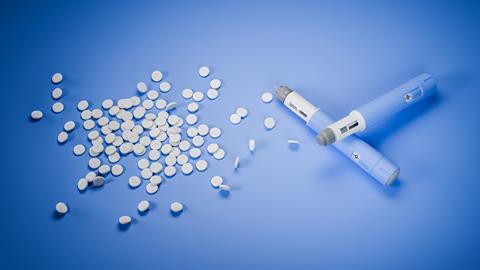
Weight loss drugs have slashed grocery bills in the UK by £780mn, according to Worldpanel by Numerator research, as their use triples in just two years, in part due to the development of a pill form.
With users of GLP-1s cutting back on snacking and eating less overall, restaurants are reportedly rethinking menus, foodservice providers are looking at portion sizes, and everyone is eyeing what happens when people come off the drugs.
An estimated 6.3 per cent of households in Great Britain now include at least one current user, marking a steep increase from 4.1 per cent in 2025 and 2.3 per cent in 2024.
“What was once a specialised treatment, primarily prescribed for type 2 diabetes, has in just a few short years become a mainstream force,” said Chantel Kennaugh, head of public sector and nutrition, GB at Worldpanel by Numerator. “Now, 68 per cent of users are taking GLP-1s specifically to lose weight, opening them up to a much wider audience.”
According to the results, over half of users report fewer food cravings and eat “more mindfully”, while one in ten no longer enjoy their usual “food favourites”. 40 per cent want smaller portion sizes, and a quarter suggest GLP-1-friendly menu sections.
“These drugs are fundamentally disrupting how people engage with food and drink,” said Kennaugh, “with ripple effects already being felt across grocery and lifestyle, forcing brands and businesses to adapt at pace.”
Given the findings, the loss in grocery spend may well be shouldered most by less healthy items like crisps and chocolate, impacting the likes of fruit and vegetables least. But perhaps more significant is the unknown response from those coming off the medication. The research found that four in ten Brits quit the jabs due to cost.
“Early data shows that people on these drugs tend to eat less unhealthy snacks and eat more fruit and vegetables,” said Jan Doldersum of Dutch seed company Rijk Zwaan, speaking at this week’s Festival of Fresh conference in Ely, Cambridgeshire. “That is good news for the fruit and vegetables industry. The question is how to maintain this when people stop taking it. That will probably involve more guidance at the retail level. We also need to continue to create easy solutions for people to cook more.”
Barbara Bray of UK consultancy Alo Solutions warned the drug was ”no silver bullet”, especially in the long term, questioning the focus on weight loss as the sole outcome, as opposed to any sort of lifestyle change.
“The drug’s not affecting everyone the same way,” said Bray, “and without the wraparound healthcare advice from a professional, it’s hard to embed the right choices. If people have’t got the dietary behaviours established that are going to help them, then the drug isn’t helping them to make better choices – it’s just reducing their capacity to make poor choices, which is not quite the same thing.”
Given the high price of privately purchased GLP-1s, the question of how users alter their habits during and after use would appear key, and Doldersum and Bray agree that this is where the big opportunity for fruit and vegetables lies.