UK supplier says enhanced programme goes beyond conventional sourcing compliance in high-risk regions
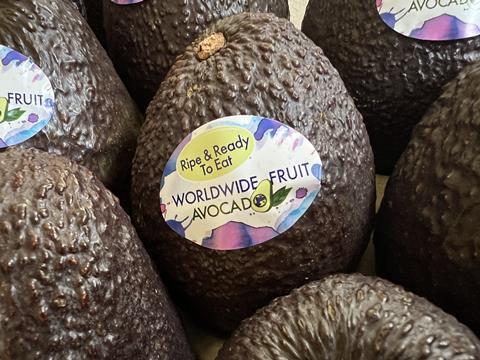
British supplier Worldwide Fruit (WFL) has launched a new training scheme which it says will improve its ability to go beyond compliance certification and avoid other risks that might otherwise compromise its environmental and ethical credentials.
According to the Lincolnshire-based company, which supplies products including apples, pears, avocados and stonefruit to a range of customers, said its Ethical & Environmental Training Programme was designed to strengthen how it identifies, assesses, and responds to interconnected human rights, labour, environmental and climate-related risks – in particular across its high-risk sourcing regions.
In its 2024 Sustainability Report, the group outlined the creation of what it called an Enhanced Due Diligence and Known High-Risk Framework.
But it said its new, four-day programme went further, and addressed an important gap in current approaches to responsible sourcing.
“While many standards and certification schemes assess social and environmental risks separately, the reality on the ground is often very different,” said a spokesperson. “In high-risk countries and sourcing regions, issues such as water scarcity, declining water quality, climate volatility and extreme weather can directly impact workers, communities, livelihoods and the resilience of agricultural supply chains.”
Tools and knowledge
WFL’s new scheme sets out to equip technical staff with tools and knowledge so they can assess human rights and environmental impacts together, and look beyond individual sites to understand the wider catchment areas on which supply chains depend.
“Through a combination of theory, practical assessment and real-world application, the programme focuses on the most complex and difficult-to-manage risks facing horticultural supply chains.”
The initiative also aims to support closer collaboration with strategic grower-exporters who operate in high-risk countries and regions, helping WFL to better understand individual supply chains, identify the most critical ecological and ethical challenges, assess how suppliers are responding, and determine where further action or remediation may be required.
“Importantly, this is more than a training programme,” the spokesperson added. “It establishes a new standard way of working for WFL across its high-risk sourcing regions strengthening the company’s ability to identify, prioritise and respond to interconnected environmental and social risks while complementing existing standards and certification requirements.”