New awareness push educates the public on managing their Christmas feasts

The Love Food Hate Waste campaign is launching a festive push to help people make the most of their Christmas food and reduce waste.
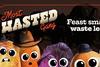
With cowboy core a major fashion trend right now, Love Food Hate Waste has given it a seasonal twist with a series of ‘Most Wasted’ food characters, who make regular appearances in both Christmas dinner and Thanksgiving feasts across the pond.
A series of ‘Wanted’-style posters will feature Spud McRoast (potato), Gobbler McGee (turkey) and Sheriff Redroot (carrot). The ‘Most Wasted’ characters will be supported by festive food storage advice, meal planning tips, and ‘Love Your Leftovers’ recipe ideas.
WRAP noted that food waste costs on average £1,000 for a household of four every year, which equates to more than 20 times the average Christmas Day food and drink spend per person. Wasted food also has an impact on climate change, with 16 million tonnes of CO2 generated by UK homes from wasted consumable food and drink each year.
WRAP CEO Catherine David said: “A third of all the food we grow is wasted, and it’s so noticeable at Christmas: a time when we want to put on a feast, but at the same time household budgets are particularly stretched.
”We can make our cash go further, and protect our planet’s precious resources, this Christmas by ensuring we make the most of our leftovers and follow Love Food Hate Waste’s simple tips and tricks to ensure we love our food, hate our waste, and make sure as much food as possible goes onto people’s plates and into their tummies!”
Firms sign up for UK Packaging Pact
In other news, ahead of the official launch of the UK Packaging Pact in April 2026, WRAP has announced the names of the 55 founding organisations who’ve already signed up to the 10-year pact to bring sweeping changes across all packaging materials.
Supported by PackUK, the UK government, and led by WRAP, the UK Packaging Pact aims to transform how packaging is designed, used and recovered to reduce waste and emissions, better protect nature and put citizens’ needs at the heart of packaging decisions.
The successor to the UK Plastics Pact, the new voluntary agreement widens the focus to all materials commonly used in packaging, and the range of sectors involved in the new programme. Now organisations producing products from food and drink, beauty care, pet products and household goods can join and transform packaging to optimise its use, expand reusability and fully integrate packaging into the circular economy, WRAP said.
The 55 founding members to have already signed up include the likes of Asda, Lidl, Ocado Retail, Tesco, and Fenmarc Produce.
David said: “Collaboration works and it’s delivering real change. Unrecyclable black plastic is gone, recycling is rising, and unnecessary packaging is disappearing. But the scale of the challenge demands more.
”Plastic pollution remains a global crisis, and with the failure to secure a global treaty, the need for bold, systemic action has never been greater. We must accelerate the step change to circular living, driving reuse, tackling plastic film, and enabling the impact of upcoming recycling reforms. This is collective action at its most ambitious and essential, and WRAP is proud to lead the charge toward a truly circular future.”