GLP-1 medications are rapidly gaining in popularity. Around half a million Australians regularly use the receptor agonist medications, including Ozempic and Mounjaro, for weight loss and maintaining a healthy weight. Monthly sales jumped from 58,000 units in 2020 to 500,000 units by 2025.
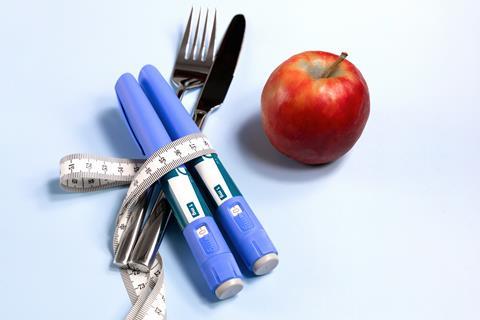
These medications were originally intended to treat chronic diseases such as type 2 diabetes, but they have become increasingly associated with being beneficial in assisting weight loss. Those who use the medication for this purpose can spend between A$200 and A$700 per month, because they are not subsidised under the Pharmaceutical Benefits Scheme (PBS). As oral tablet alternatives become available, this is projected to accelerate the medication’s broader adoption even further by removing injection barriers.
According to the Australian Institute of Health and Welfare, 32 per cent of people were living with obesity in 2022, including 13 per cent of the population living with severe obesity. This translates to circa 8mn people, and this number is likely to keep growing. Obesity is a chronic disease that has not just a serious health impact, but also substantial economic and social costs, including increased public health expenditure and lower productivity.
It is enticing to think that this problem could be solved by making GLP-1 medications more accessible and affordable to the wider population. The federal health minister, Mark Butler certainly agrees, he is on record as confirming the government is working with the pharmaceutical companies to try and reach a suitable agreement where weight loss medications can be subsidised by the PBS.
PBS subsidy or not, what does the increasing popularity of GLP-1 medications mean for the fresh produce industry? Is it a potential killer or saviour for the industry?
If more people take a drug that results in them eating less, does it mean they eat less of everything, including fruit and vegetables? Or does it have a positive physiological and psychological effect, where people become more conscious of the importance of eating healthier food to keep the weight off, with the drug complementing this rather than replacing it?
Recent research from the US suggests there is more opportunity than downside for the fresh produce industry. A study undertaken by 210 Analytics found that 18.1 per cent of US consumers currently use a GLP-1 medication, with usage particularly concentrated among higher-income consumers, ages 29 to 50 in urban and suburban areas.
Although GLP-1 consumers reported eating less overall, eating smaller portions, but more meals, and making more deliberate food choices, nearly half said they are intentionally eating more fresh fruits and vegetables. This is undoubtedly encouraging news for the fresh produce industry.
The research also pointed to an opportunity for retailers and produce suppliers to become resources for GLP-1 consumers. Eighty-nine percent of GLP-1 consumers seek advice on what to eat while taking the medication, and 86 per cent say more in-store information about GLP-1-friendly fruits and vegetables would influence their consumption.
Consumers also expressed interest in GLP-1-friendly meal stations, recipes, high-protein meal ideas, smaller portions, ready-to-eat produce snacks and nutrition information.
With fruit and vegetable consumption having been in decline, and recent data from Canstar showing a 26 per cent drop in fresh produce spending year on year, it is surely deserving of more research in the Australian context.
What opportunity is there for the industry to work with retailers, health professionals and government to promote greater fresh produce consumption, especially if weight loss medications were added to the PBS and became available at a fraction of the current cost, making them accessible to a much wider population?
The Weekend Australian newspaper recently ran a front page story with the headline ‘Obesity drugs bonanza but worst sufferers unable to access them’. It made no mention of the importance of fresh produce in fighting the obesity epidemic, nor did it reference the role it might play in the long-term effectiveness of weight-loss medications.
The fresh produce industry should be very much front and centre in this debate, because it is a safe bet that other food producers and segments will be working to influence GLP-1 consumers about the benefits of consuming their products. Adding protein to a food and targeting the health benefits to GLP-1 consumers is an obvious example.
What can the industry do to turn this to its advantage and, ideally, drive an increase in fruit and vegetable consumption, or at the very least, prevent it from declining further?
As noted, the US research pointed to an opportunity for retailers and produce suppliers to become resources for GLP-1 consumers. This would require both extensive planning and sufficient resources to back marketing and advertising campaigns, including the use of AI, which could help defray costs.
There are also opportunities to work with health professionals, such as GPs, pharmacists and nutritionists to provide what would be ‘expert’ endorsed resources. For example, GLP-1 consumers tend to consume less total fibre, with a common side effect being constipation. Given the high fibre content of many fruit and vegetables, this could be a positive selling point for fresh produce consumption as being complementary to the taking of GLP-1 medications.
Private health insurers with their extensive membership databases are also potential partners and platforms by which to convey and disseminate such information. As for government, both state and federal governments spend many millions of dollars each year on public health campaigns, providing an opportunity for the fresh produce industry to better leverage such spending, and to work with governments on specific campaigns targeted at educating and informing GLP-1 consumers, especially if the medications end up on the PBS.
For an industry facing declining consumption and wondering where it properly fits in an ever-changing consumer landscape, it is surely worth considering these opportunities, including investing in further research to better understand how weight loss medications can potentially be a saviour for the fresh produce industry.