Recent USDA report forecasts China’s 2025/26 table grape production at 15mn tonnes, up 6 per cent year on year
China’s imports of table grapes are projected to decline in the marketing year 2025/26 (June-May) due to improved supply and quality of its domestic production, according to a new report from the USDA.
Production
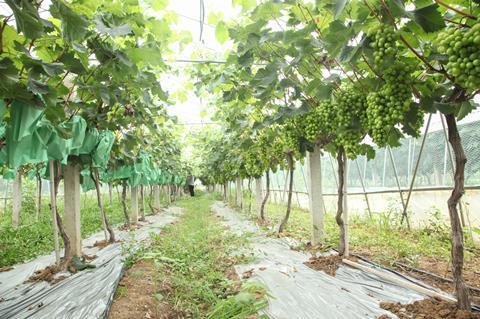
The Fresh Deciduous Fruit Annual report estimates China’s table grape production will reach 15mn tonnes in 2025/26, up nearly 6 per cent on the previous year. The rise comes in spite of unfavorable weather in northern producing areas, which could be due to investments in protected cropping infrastructure such as rain shelters, according to the USDA. The weather did affect the flavour of some of the supply, however. In China’s southern regions favourable weather conditions led to further growth.
Imports
In recent years, China’s imports have dropped as the country’s domestic production has gradually improved. The report expects this downward trend to continue into 2025/26. Alongside increased supply, China has also seen a boost in quality and expanded varietal offering due to investments into the sector. In addition, innovative farming and storage technologies have extended the domestic supply season, further reducing the need for imports.
China will continue to import almost all of its fresh grapes from counter-seasonal Southern Hemisphere countries, the report said. This is largely led by Australia, Chile, and Peru. The US has quickly lost market share in the wake of retaliatory tariffs.
Exports
China has quickly become an important market in global table grape trade, with its 2024 exports catching up with Peru, the world leading grape supplier. The USDA projects exports will continue rising in the 2025/26 season.
This growth has been directly fuelled by China’s low priced Shine Muscat offering, which is popular across China’s key markets in South-East Asia and beyond. Traders indicated in the report that exports of Shine Muscat to Russia had doubled on the previous year.
China exports large volumes of grapes to markets in South-East Asia, Central Asia and South Asia, led by Vietnam, Thailand, and Indonesia.