As Thailand’s fruit trade adjusts to shifting dynamics, Flora Capital’s Ritu Ahluwalia provides analysis on where the market is heading as it enters the second quarter of the year
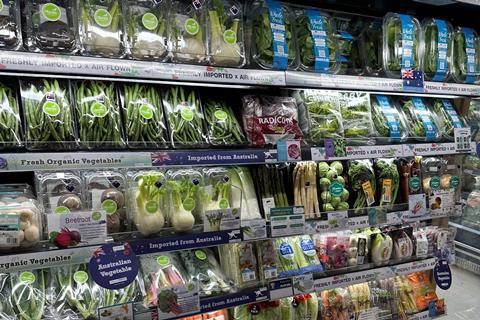
Thailand’s fruit market has entered 2026 in a more measured and cautious phase, with trade dynamics shifting across both imported and domestic categories.
Across wholesale markets and modern retail alike, the tone is more cautious. Volumes are moving, but without the urgency, build-up, and festive spike that typically define the first quarter. For many in the trade, the shift has been less about a collapse in demand and more about a change in buying behaviours.
Thailand appears to be shifting towards more value-conscious purchasing. This is not a sudden change, but a gradual adjustment influenced by broader economic conditions. Retailers are responding by managing inventory more carefully and focusing on products that offer strong value-to-price alignment, especially within imported fruit categories.
Tourism, a key demand driver for Thailand’s premium fruit segment, has also started the year on a relatively softer note. With international arrivals slightly below last year’s levels in the early part of 2026, the expected uplift in hospitality-driven consumption, particularly in hotels, restaurants, and premium retail, has been more limited. This has had a knock-on effect on higher-value fruit categories that typically benefit from tourism-linked demand.
Beyond domestic factors, external developments are beginning to play a more prominent role. The ongoing conflict in West Asia is introducing volatility into global trade flows, particularly through its impact on fuel prices, freight rates, and shipping routes. Rising fuel costs are feeding into logistics and distribution expenses, while uncertainty around shipping lanes is affecting planning cycles for importers and exporters alike.
Although Thailand is not directly dependent on West Asia-bound routes for most fruit imports, the global nature of the fresh produce trade means that disruptions in one region often have ripple effects across others. For importers, this translates to a more cautious approach to volume commitments and timing.
The combination of these factors is creating a market environment where precision is becoming more important than scale. Rather than aggressive volume-driven strategies, the focus is shifting towards tighter alignment between supply and real demand, disciplined pricing and strong retail execution.
As the market moves into the second quarter, the key question is whether confidence returns in time to support seasonal demand around Songkran and beyond.
For now, Thailand’s fruit trade is not slowing because opportunity has disappeared, but because both consumers and the trade are choosing to move more carefully.