Asian markets and EU the main targets of new measures set to take effect in 2027
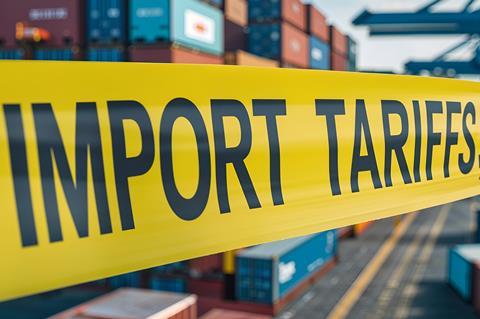
The Trump administration has proposed a new set of tariffs on 14 trade partners, which it said have adopted industrial strategies that tilted the balance of trade and eroded America’s manufacturing base.
The 14 partners include China, the EU, Singapore, Switzerland, Indonesia, Malaysia, Cambodia, Thailand, Korea, Vietnam, Taiwan, Bangladesh, Japan, and India. The Office of the United States Trade Representative (USTR), which announced the proposed tariffs, said it has made no determinations regarding Mexico or Norway at this time.
The additional duties differ by partner but range from 15 per cent for the likes of Japan and the EU to 35 per cent for Vietnam. They are set to apply to all goods, with some exemptions.
“For decades, many of our trading partners have adopted industrial strategies built on targeting manufacturing, wage and labour suppression, financial and other support, non-market economy inputs, and other market distorting practices that tilt the trade balance in their favour while eroding America’s manufacturing base,” said US trade representative Jamieson Greer
“In recognition of this, since 2016, leaders ranging from Donald Trump to Joe Biden to Xi Jinping to Emmanuel Macron have recognised the threat that structural excess capacity and production poses for the global economy. But where successive statements at the G7, G20, WTO and other fora have not resulted in change, President Trump is proposing to take action to bring about the elimination of these unfair acts, policies, and practices. In doing so, we can level the playing field for American workers and chart a new, more sustainable course for the world economy.”
An exact date of implementation hasn’t been announced USTR said it would hold hearings about the proposed actions in these investigations on January 25 2027.
The proposal followed the first meeting of the Agricultural Working Group under the Framework of the US-China Board of Trade, held the same week. A readout from USTR said there was productive discussion of agricultural trade issues.
”Guided by recent engagement between the two heads of state and joined by representatives of the relevant national regulatory agencies, the two sides held in-depth and constructive exchanges on issues, including non-tariff barriers affecting agricultural trade, market access, and increasing trade to benefit agricultural producers,” it said.
“Through the Agricultural Working Group, the two sides agreed to continue to strengthen communication, work to address each other’s concerns in the agricultural sector, and contribute to stable US-China agricultural trade relations.”