Institute commits A$15mm to create dynamic, virtual replica of Australia’s agricultural landscapes
The Australasian Space Innovation Institute (ASII) has launched a A$15mn National Digital Twin to support Australian agriculture with coordinated decision-making and innovation across the agriculture, forestry and fisheries system at a national scale.
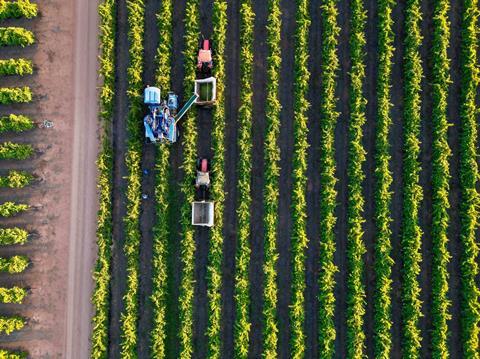
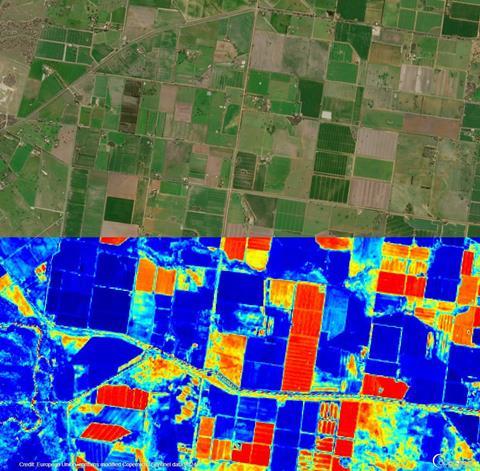
This flagship initiative will deliver an AI-enabled geospatial digital twin that integrates satellite Earth Observation, IoT and sensor data, climate data and agronomic models into a shared digital environment to create a dynamic, virtual replica of Australia’s agricultural landscapes.
Supported by Elders, Meat & Livestock Australia and Charles Sturt University (CSU), the digital twin will serve as a living R&D engine for faster, lower-risk innovation, empowering industry stakeholders to lift productivity, strengthen resilience and accelerate growth across the entire sector. Its AI-enabled capabilities support predictive scenario modelling across climate resilience, biosecurity, water management and productivity, enabling decision-makers to test options, anticipate risks and optimise actions before implementation.
Andy Koronios, founding CEO and managing director of ASII said Australia has world-class agricultural, forestry and fisheries capability, but lacks a shared national capability to turn that strength into decision-ready insight at scale.
“The National Digital Twin provides that missing layer: a sovereign, AI-enabled environment where Australia can model scenarios, test outcomes, and make better decisions across productivity, resilience and policy,” Koronios said. “It is a national infrastructure for public good, best stewarded by an independent, not-for-profit institute like the ASII, for the benefit of the nation.”
Mick Crowley, managing director, Meat & Livestock Australia, said the Digital Twin creates the foundation for a new virtual R&D capability.
“We can test livestock management options and research questions faster, refine trials before we invest in large scale field trials, adoption or commercialisation,” Crowley said. “Done well, this approach can save millions of dollars and years of research time compared with traditional methods, while lifting confidence in what we deploy at scale.”
Renée Leon, CSU vice chancellor, said the National Digital Twin for Australian Agriculture initiative is an important step forward for the whole sector.
“The Australian Agricultural Data Exchange at Charles Sturt University is already proving essential in bringing together relevant agricultural data,” Leon explained. “Now working with the National Digital Twin, they will jointly operate to transform Australia’s fragmented datasets into scalable, trusted outcomes for research, industry, and policy. This will equip our experts with the necessary information and linked data they need to carry out more effective experimentation, test hypotheses, and refine trials.”
Mark Allison, managing director and CEO of Elders and board member of the ASII, added: “Elders’ strength has always been our people and our relationships with farmers. The National Digital Twin builds on that by giving agronomists, advisors and agtech providers access to trusted, nationally consistent intelligence and a powerful environment to test and refine ideas before they reach the paddock. It aims to strengthen the advice that can be provided, while keeping relationships and judgement firmly with the advisor.”