DAFF has confirmed affected fruit was either destroyed or exported
The Australian Department of Agriculture, Fisheries, and Forestry (DAFF) has suspended imports of fresh, whole pomelo fruit, grown and produced in Vietnam following the identification of pest and disease symptoms on some imported consignments.
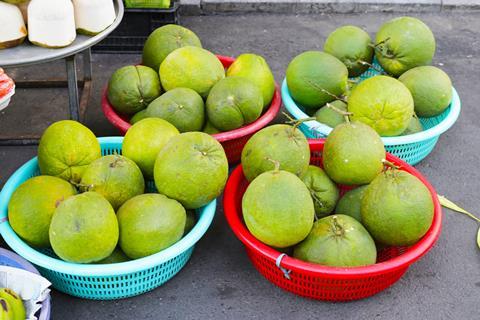
The suspension, which will be in place for an initial six months, was effective from 15 September 2026 with consignments already in transit and certified prior to that date to be managed on arrival in Australia through verification inspection.
Where necessary, DAFF said remedial action would be applied in accordance with biosecurity requirements, while pomelo certified on or after 15 September, would be subject to export or disposal.
The department has confirmed that affected pomelo fruit was either destroyed or exported, in line with Australia’s biosecurity requirements.
Citrus Australia CEO Nathan Hancock voiced his support, on behalf of the industry, for the department’s decision.
“Acting quickly to protect Australia’s A$1.1bn citrus industry from pests and disease must always be prioritised when a biosecurity threat is identified,” Hancock said.
“We see this decision as an example of the system working as it should, and we thank the department for acting swiftly to suspend the trade and protect industry from a potential exotic pest incursion.”
The suspension comes after the department identified pests and disease symptoms of biosecurity concern that it would normally expect to be identified or removed through the agreed biosecurity measures prior to arrival in Australia.
Following the identification, the department conducted verification activities which included an in-country audit in August, finding the systems and processes were no longer being managed in a manner consistent with Australia’s appropriate level of protection.
Citrus Australia has consistently expressed concern about the risk of pests and diseases in shipments to Australia through submissions and regular meetings with the department.
“An in-country audit was a key request of Citrus Australia once market access was granted in this case,” Hancock said. “Given the audit identified processes that did not meet the required level of protection, the suspension of trade is appropriate at this time.
“This is an example of why a strong biosecurity system is important for the protection of citrus production in Australia, both for this major horticulture industry and home gardeners alike.”
Citrus Australia said it would continue to monitor this situation and engage with the department over the risk pathways associated with all citrus imports.


