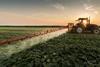
Industry highlights potential long-term effects if immediate support not provided

Australia’s fresh fruit and vegetable industry has urged state and federal governments to take further action following the recent national cabinet meeting to discuss Australia’s national, coordinated response to support our fuel security and supply chain resilience.
Following the meeting on 30 March, First Ministers agreed to a National Fuel Security Plan, which included precautionary actions to shore up fuel supply and an announcement that the fuel excise on petrol and diesel would be halved and the heavy vehicle road user charge will be paused for three months
However, industry bodies from the horticulture sector have argued these measures do not effectively address the challenges they are facing and without more targeted support, fresh produce supply could be impacted.
Ausveg said the measures may provide some short-term cost relief particularly for consumers and transport businesses but action is still needed to address compounding pressures on vegetable producers. Is said the government needed to provide clarity on how growers will be prioritised for access to critical farm inputs like fuel, fertiliser and freight.
The peak industry body for vegetable, potato and onion growers also called for greater scrutiny on the retail sector from regulators, such as the Australian Competition and Consumer Commission (ACCC) to ensure evidence-based price increase requests from growers to their customers are enacted in good faith.
“The ongoing uncertainty and instability is not sustainable if supply of safe, fresh, quality Australian vegetables is to be maintained for all Australians. All governments need to understand the crucial importance of the national vegetable industry to Australia’s basic food security, as well as the industry’s specific needs as part of an urgent national response,” said Ausveg CEO Michael Coote.
“To maintain production in businesses that operate 52 weeks of the year, growers must have certainty over the availability and cost of the key inputs they need to inform their weekly planting and harvesting decisions. Governments need to take all available steps to provide that certainty, not only immediately, but well into the next few months given the often-short, cyclical nature of vegetable production.
“Ausveg’s survey found growers on average require more than 5,200 litres of diesel in a typical week. This amounts to almost 2.7mn litres across the vegetable industry each day, almost 19mn litres a week, and almost a 1bn litres a year.”
Coote argued growers need certainty regarding access to inputs, otherwise they would avoid planting.
“The nature of Australia’s national vegetable industry means impacts are being felt differently in different vegetable growing regions of the country, and the overall national picture remains very concerning as growers reconsider their planting schedules and options,” he said.
“While fuel, freight and fertiliser are key cost pressure points, growers are reporting that price rises, or additional surcharges are affecting all areas of their businesses, from packaging, crop protection products and new fuel surcharges on service call-outs, which are all leading to further financial pressures.”
Queensland Fruit & Vegetable Growers called for the federal government to provide immediate disaster relief funding to primary producers to offset the cost of freight and rising input costs, and the Queensland Government to extend targeted payroll tax relief.
CEO Scott Kompo-Harms said growers are already running out of fuel for tractors, trucks, and packing machinery, forcing them to ration equipment, stop machines, or divert trucks to petrol stations to conserve on-farm storage.
“Growers have been dealing with rising costs for years, and now these additional pressures are hitting hard,” he said.
“Without clear, immediate government action, every day increases the risk to crops, jobs and Queensland families.”
One Queensland grower highlighted the long-term impact of fuel shortages.
“If no fuel is available, the fruit will not be harvested, the company will go bankrupt, one hundred or so staff will lose their jobs, apples will not get to the major supermarkets,” they said.