Nearly one-third of growers have cut planting schedules because of the supply chain disruption caused by the Middle East conflict
Australian vegetable growers are reducing plantings and opting not to harvest existing crops as surges in the costs of critical farm inputs and supply uncertainty threaten Australia’s access to domestically grown fresh vegetables.
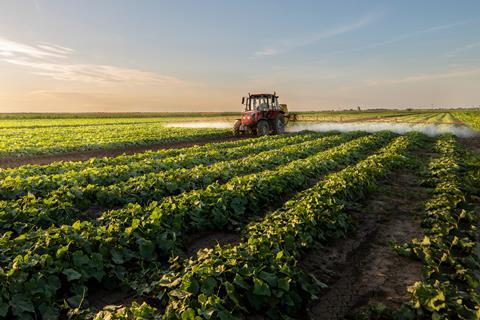
The findings from a snap Ausveg survey of 150 growers on 23 March highlight that 27 per cent have reduced or stopped planting schedules due to severe operating uncertainty flowing from the Middle East conflict, and a further 13 per cent are considering their options.
Growers opting to reduce planting have done so by an average of 30 per cent, while 19 per cent have decided not to harvest existing crops due to unviable returns based on production and distribution cost increases, or in some cases, the inability to access logistics to deliver produce to towns and cities across the country.
“Australia relies on its vegetable industry to supply 10,000 tonnes of fresh produce to consumers each day, and Australian growers are responsible for supplying 98 per cent of the fresh vegetables consumed by Australian families. The Australian vegetable industry is crucial for the health and wellbeing of all Australians and national food security.” said Ausveg CEO Michael Coote.
“Australian vegetable growers operate 52 weeks a year and make weekly decisions about how much to plant and what volumes to harvest. As growers scale back production, the flow-on to consumers will start to be felt immediately as supply of Australian-grown vegetables reduces. It is critically important that all Australians understand the urgency of addressing the severe challenges that vegetable growers feeding Australian families are currently facing.”
Since the beginning of the conflict, Australian vegetable growers have experienced major and ongoing increases in the cost of key farm inputs like diesel, fertiliser and freight, with significant shortages also reported. Supply chain impacts also include major cost increases for other key inputs and services growers rely on to deliver their produce to market.
“Conversations and reports from growers around Australia have revealed localised impacts are being felt differently in different growing regions. Accessibility of inputs, production costs, and uncertainties around future production scenarios are playing through differently across the country. While some may choose not to harvest due to a lack of freight to get to market, others may not be planting because of a lack of diesel to run machinery. The latest data collected through this week’s survey validates the localised accounts we have been getting from growers, and contributes to a stark national picture,” said Coote.
The key findings from this week’s survey of growers include that over 75 per cent of growers have experienced critical fuel shortages, and only 17 per cent have enough diesel to last a week or less, 36 per cent only have enough for two weeks, and 29 per cent only have enough to last three weeks. Holding three weeks of fuel is a standard industry practice to ensure production continuity.
Growers have reported a 74 per cent average increase in their weekly fuel costs and a 38 per cent increase in freight costs.
Over 50 per cent of growers reported fertiliser shortages, with 6 per cent only having enough to last a week or less, almost 20 per cent only having enough for two weeks, and 25 per cent only having enough for another three weeks.
In addition to the major issues over supply and cost of fuel, freight, fertiliser and packaging, growers have also raised concerns over price increases and availability of other key inputs like crop protection products, crop nutrients, irrigation pipes and fittings, and seed supplies.
Despite the significant surges in production costs, growers reported they had only been able to pass an average of 12 per cent of their recent cost rises on to their customers, raising further serious questions over industry viability and sustainability.
“Australian vegetable growers have no capacity to absorb these latest extreme cost increases after years of rising costs and falling returns, resulting in two in five growers telling Ausveg they were looking to leave the industry, even before the impacts of the conflict,” said Coote.
“With no certainty on costs, input supply and returns, growers continue to face the challenge of not knowing what conditions they’ll be dealing with in any number of weeks’ time, when crops planted today are ready to be harvested for market.
“Margins are already tight enough and it can be just too expensive to plant a crop when you don’t even know if you’ll be able to harvest it, get it to market and get paid enough for it.”
Coote said it was fundamental that vegetable growers receive viable farmgate prices for their produce and this needs to be front of mind for all commercial fresh produce buyers and retailers.
“The vegetable industry also needs to be recognised as an essential sector of critical importance as part of a coordinated national response led by government. Because unless government can commit and assure growers they will be prioritised for supply of diesel, fertiliser and freight, more will review their production schedules, and supply will drop further,” he said.