New standards developed after significant review and built for industry by industry
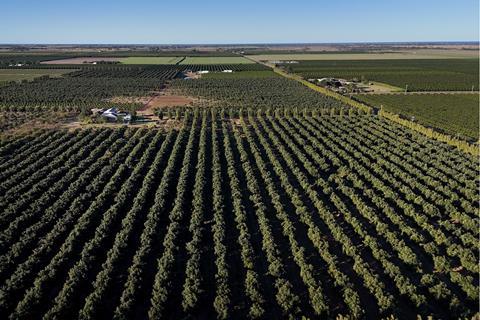
Freshcare has announced it will launch the Food Safety & Quality Standard Edition 5 (FSQ5) in September 2026. The revised standard is the culmination of the most significant review of Freshcare standards and the fresh produce industry’s compliance needs in more than 25 years.
FSQ5 was designed in consultation with industry, the Technical Steering Committee and informed by extensive research. It responds to the challenges facing Australian producers, including increasing consumer expectations, evolving market requirements, biosecurity risks and the need to reduce compliance duplication and complexity.
FSQ5 is an accessible, integrated and user-friendly standard and the outcome of years of listening, learning and working alongside industry to understand what businesses need from their assurance programmes.
“FSQ5 represents Freshcare’s commitment to a standards development process that is thoughtful, evidence-based and industry-led,” said Freshcare CEO, Jane Siebum.
Freshcare’s standards review remained focused on providing an assurance programme that is relevant, effective and evolves with industry needs. To ensure this evolution was informed by evidence, data and research rather than assumptions, Freshcare combined extensive stakeholder consultation and Standards Review submissions with industry data and insights gathered through the RegTech Project, which ran in partnership with Hort Innovation.
The project’s findings identified growers and supply chain businesses value certification and the market confidence it provides, but have faced increasing compliance complexity, duplication and the administration of multiple programmes.
Over the course of the review, Freshcare received more than 180 submissions from growers, certification bodies, industry associations, supply chain stakeholders and technical experts. These insights helped shape a new framework for Freshcare Standards and every aspect of FSQ5, from its structure and language through to the introduction of new requirements and the streamlining of existing ones.
The result is a standard designed to remove duplication, improve usability and support certification across both on-farm and supply chain activities through a single integrated programme.