Harvest rains push back processing and limit inshell potential
A challenging harvest has led to a slow start to the Australian 2026 almond sales season in March.
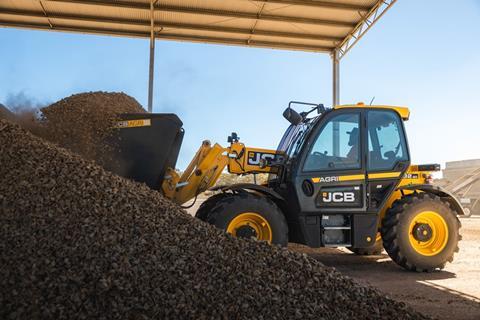
While domestic sales for the month were on a par with the past three years, export shipments have been delayed and were down 28 per cent on last year.
While the industry is still expected to process a large crop, the heavy rains 2-3 weeks into harvest and then recurring showers in proceeding weeks forced growers into significant drying regimes and pushed back deliveries to hullers and shellers. The conditions experienced in the Riverland and Sunraysia growing regions during March are likely to limit the inshell potential of the 2026 crop and lead to marketers placing a stronger emphasis on cracking out a higher percentage to maximise value.
China remains the preferred marketing destination, up 19 per cent on sales from last March and 53 per cent of total exports. The overall sales volume was down 21% at 5,878 tonnes compared to 7462 tonnes last March and 34 per cent below a record 9,010 tonnes in 2024.
The industry posted a pre-season harvest estimate of 166,892 tonnes.
The Almond Board of Australia will publish the results of its second ever LandIQ-mapped plantings survey later this month.
The annual Subjective Estimate of the Californian 2026 almond crop has come in at 2.7bn lbs (approximately 1.2mn tonnes). It is in the same vicinity as three privately commissioned forecasts provided over the past fortnight and a similar tonnage to that of the current crop so it should help provide market stability through to harvest.