Pesticide use has declined in eight consecutive years as industry works to meet standards of key export markets
With temperatures rising across China, a wide range of agricultural products have come into season and an increasing awareness of food safety and environmental protection is helping growers gain more value for their crops.
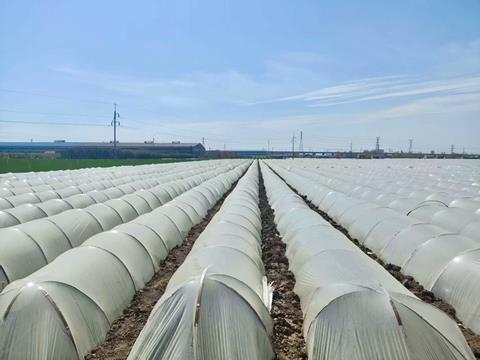
According to Yao Changfeng, general manager of Onedayone Group China, efforts to help growers address pesticide use have escalated in recent years to help meet the strict pesticide residue requirements imposed by many developed markets.
“The EU, one of our key export markets, operates one of the world’s strictest MRL systems,” he said. In practice, non-compliant results can raise concerns over product consistency and reliability, potentially affecting order execution.
With those consequences in mind , Onedayone Group has deployed its quality management team to production areas, providing on-site support to farmers on pesticide practices and field records to improve traceability and help ensure more stable incomes.
The company said that while some growers are willing to improve product quality, gaps in pesticide practices remain due to local constraints and limited access to information. Through guidance and communication, farmers are gradually optimising input use, reducing unnecessary applications, and lowering environmental impact.
Industry data shows that pesticide use in crop farming has declined for eight consecutive years through 2024. According to FAO data, pesticide use in China stood at 1.78 kg per hectare in 2023, placing it at a relatively low level globally.
“For exporters, pesticide residue testing is a critical market access requirement. Managing inputs at the production stage not only improves product quality, but also reduces risks during customs clearance,” said Yao.
He added that close cooperation with growers and the sharing of cultivation practices are essential for long-term sustainable development.
“The team has already implemented guidance in ginger producing areas and plans to expand it to kumquat regions. Standardising pesticide use from the early stages of the season is a key foundation for meeting residue standards at the export stage.”