A move by family restaurant chains to promote fruit-themed desserts signals untapped opportunities in Korea’s foodservice sector, but delivering the right consumer experience is key
Korea’s buffet-style family restaurant chains are stepping up fruit-focused promotions, signalling a shift in how the foodservice sector views fresh produce.
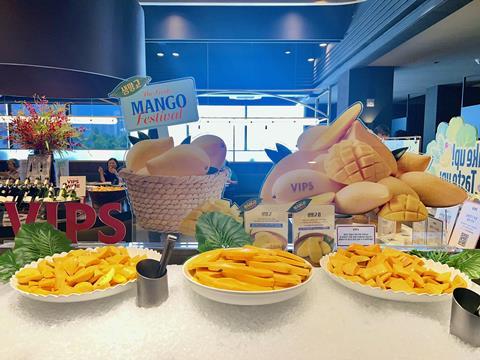
VIPS, operated by CJ Foodville, launched its Fresh Mango Festival on 21 May, with no fixed end-date — running until supplies from direct local shipments are exhausted. The promotion features unlimited Thai gold mango, served halved and cut into thirds, alongside mango cake, mango yogurt pudding, and mango sago, setting it apart from the chain’s standard dessert menu.
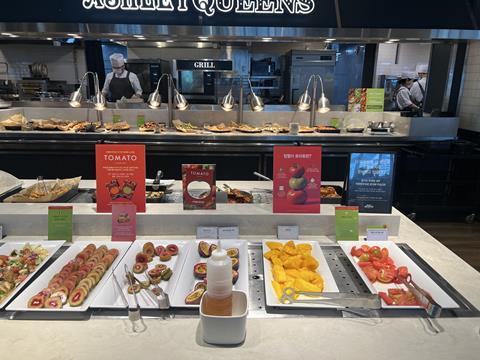
Ashley Queens, operated by Eland Eats, began its Kiwi Sweet Day promotion on 14 May in partnership with Zespri. The promotion centres on Zespri SunGold kiwifruit, accompanied by eight dessert items including a SunGold matcha cake, garden yogurt cake, apple sunshine tart, and crunchy roti.
Ashley Queens has in fact been running monthly fruit-themed promotions throughout the year – cherry in January, strawberry in February, tomato in March, and Zespri RubyRed kiwifruit in April. The rotating format is designed to build anticipation: what fruit will next month bring?
From supporting act to leading role
Fresh fruit has long played a minor role in Korean foodservice. A single slice at the end of a meal, or a modest presence in the corner of a buffet dessert station. That has been the standard. Fruit selection has typically been governed by cost and preparation convenience, not by consumer experience.
In a conversation with an executive chef at a luxury hotel, I suggested that the quality of dessert fruit reflects the quality of the establishment itself. The chef agreed. But added a candid caveat: “Honestly, fruit is a category where the return on investment is hard to justify. That makes it difficult to prioritise.”
The same logic has held in bakeries. The colour and abundance that fresh fruit brings to baked goods is rarely seen in Korea. Cost pressures and shelf-life concerns are understandable constraints. But the Korean market has perhaps been too quick to choose the safe path.
The result is that fresh fruit has acquired a distinctly premium image. Every winter, luxury hotels race to launch strawberry buffet promotions. Despite Korea’s prolonged economic slowdown, reservations fill almost immediately, and consumers willingly pay around US$100 per person.
Bringing the experience to a wider audience
A fruit-themed dessert buffet should offer something specific – the pleasure of eating fruit you might otherwise consume only occasionally, without restraint and without guilt. VIPS and Ashley Queens appear to be borrowing the fruit dessert buffet concept from the luxury hotel sector and applying it to a more accessible price point. It reads as a deliberate move to strengthen their premium positioning.
The execution, however, still has room to develop. At luxury hotels, kiwifruit is typically served halved without the skin removed, ready to eat with a spoon. Ashley Queens is serving it thinly sliced. A practical compromise, perhaps. But one that falls short of the generous, indulgent experience the format promises.
The mango promotion has drawn its own criticism. The seed portion of a halved mango, branded as “mango rib” and presented for guests to gnaw at like a rib bone, has been seen by some as dressing up a low-value offcut in premium language.
A new growth channel for fruit?
Expanding consumption through promotions like these is a welcome development. These moves suggest that foodservice could become a meaningful new growth channel for fresh fruit in Korea. But realising that potential will depend on one thing above all: the quality of experience these venues deliver to the consumer. That remains the challenge ahead.