Sector hopes growers can rebuild EU relationships and recover lost trade in 2028 following new SPS agreement
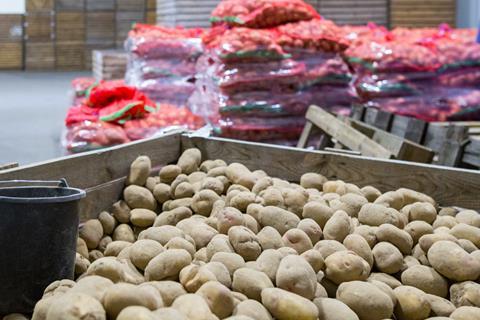
British seed potato exports to the EU will resume in 2028, following the EU-UK sanitary and phytosanitary (SPS) agreement signed on 20 November 2026.
Exports will be allowed to resume once the agreement takes effect on 1 March 2028, subject to legal procedures.
While the agreement explicity covers seed potatoes, the new rules also reopens the EU market to fresh sausages, burgers and mollluscs from the UK.
Exports of British seed potatoes had previously been suspended since January 2021, as they were not included in the post-Brexit trade deal after the two sides disagreed over plant health rules and certification. This meant the EU would not recognise UK seed potatoes as equivalent to its own standards after Brexit.
As a result, UK to EU exports were halted, despite Scottish seed potatoes’ high health status classification.
The ban disrupted roughly 20,000 to 30,000 tonnes of British seed potatoes annually, worth approximately $14.4mn a year, according to GB potatoes.
Scotland, which accounts for more than 70 per cent of the UK seed potato production, previously supplied destination markets such as Ireland, Spain and Portugal.
The latest deal could now allow growers to rebuild export relationships and recover lost trade.
Welcoming the agreement, Scott Walker, GB Potatoes chief executive, said: “We are particularly pleased that the seed potato trade with the EU will resume.”
He added that the organisation hopes that trade will recover quickly and grow to at least its previous annual value.
NFU Scotland director of policy and deputy CEO Jonie Hall praised the agreement’s potential to deliver “significant benefits” by reopening the EU market to Scottish seed potatoes.
However, Mr Hall added that emphasising how the agreement is implemented will be “critical”.
“A strong and effective UK role in decision shaping will be essential to ensuring that future regulatory developments reflect the interests of Scottish and UK agriculture.
“We will continue working with both governments and industry to resolve outstanding concerns and ensure the agreement delivers for Scottish farmers and crofters,” he added.
The EU-UK reset deal is intended to reduce trade barriers, cut paperwork for food and agricultural business and make it cheaper and simpler to move produce between Britain and the EU.