Inflation edges up 0.1 per cent, as pumpkin prices drop amid rising demand and essential supplies get snapped up following government campaign
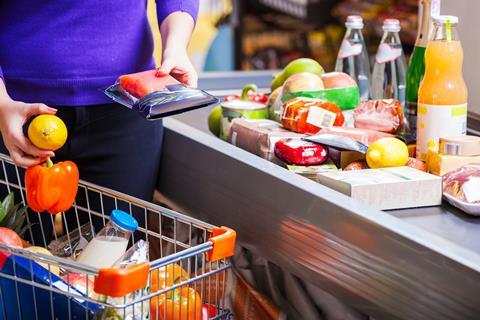
Like-for-like grocery price inflation has risen to 2.6 per cent over the four weeks to 1 November, a slight increase on 2.5 per cent figure recorded in the previous four weeks, according to the latest data from Worldpanel by Numerator.
This continues the upward trend in grocery inflation following a summer slowdown, although price rises remain more subdued than at the start of the year.
In the same period, take-home sales at the grocers increased by 2.2 per cent compared with a year ago, Worldpanel said.
The data and insights for this month come as Worldpanel have recently expanded their panel of UK shoppers from approximately 30,000 to 55,000, an 83 per cent increase.
The expansion aims to enhance the company’s insight into ’omnichannel shopping behaviour’ and capture more shopper behaviour.
Seasonal spending
It comes as the number of pumpkins sold rose 10 per cent year on year, with 3.3mn households making a purchase over the month of October.
The average price paid for a pumpkin stood at £1.20, 12 per cent lower than last year, providing some small relief for shoppers.
With other major commercial events including Black Friday, Cyber Monday and Christmas now on the horizon, retailers are now firmly in the so-called ‘golden quarter’, the peak spending period, Worldpanel added.
However, Fraser McKevitt, head of retail and consumer insight at Worldpanel, said that shoppers will continue to watch their spending.
“Household budgets have already taken a hit after the latest increase to the energy price cap arrived with the cold weather in October, and shoppers will be keeping a close eye on prices at the tills this winter.”
Britons heed goverment’s advice
Worldpanel also noted that sales of essential supplies jumped following the launch of the government’s ‘Be Ready’ public awareness campaign encouraging households to prepare for up to three days in the event of disruption to essential services.
In the ten days from the campaign’s launch on 22 October, sales of hand sanitiser rose by 83 per cent, as well as bottled water (+67 per cent) and tinned and jarred goods (+37 per cent).
McKevitt added: “Growth came from more people adding the recommended items on the government’s checklist to their weekly shop, not from shoppers piling their trolleys high, which is very much in line with what the government wanted households to do.”
Retailers make progress
David Potts, new CEO at Asda, began his role in early November with a market share of 11.3 per cent, with more than half of households shopping in its stores or online over the last three months.
Meanwhile, sales at online-only grocer Ocado grew by 12.3 per cent over the 12 weeks to 1 November, marking the 30th consecutive period of double-digit growth for the retailer and a joint record market share of 2.3 per cent.
Lidl’s market share grew by 0.4 per cent as spending rose by 6.6 per cent, as Waitrose also saw share increase from 4.4 per cent to 4.5 per cent as sales rose by 2.2 per cent.