Australian Melon Conference and Field Day programme showcased developments in plant breeding, crop protection and agricultural technology
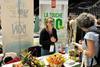
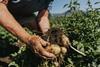
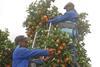
Australia’s melon industry came together in North Queensland on 7-9 October for the Australian Melon Conference and Field Day 2026. Organised by Melons Australia, with support from Hort Innovation, the event marked the return of the National Melon Field Day, held at the Queensland Department of Primary Industries’ Ayr Research Station, alongside a two-day conference and trade show in Townsville.
The field day showcased developments in plant breeding, crop protection and agricultural technology, giving growers the opportunity to connect with experts from across the industry and see innovations firsthand.
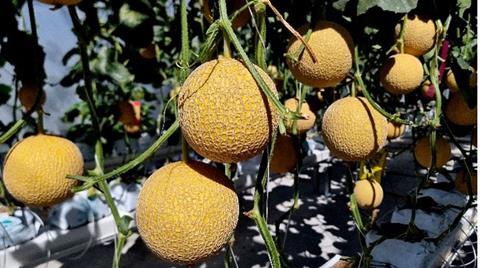
It also included a visit to Home Hill State High School, where students showcased their work growing specialty melons in the school’s state-of-the-art protected cropping facility. This project makes up part of an initiative by Queensland’s Department of Primary Industries (DPI), with support from the local community and seed companies including Rijk Zwaan to give students hands-on experience in modern horticulture
Among the varieties grown by students was Rijk Zwaan’s Inthanon RZ, a premium product with potential for high-value export markets. Students followed the crop from seed to harvest, applying commercial growing techniques and exploring how production decisions influence fruit quality and sweetness.
The Townsville conference brought the industry together to tackle some of its biggest challenges and explore opportunities for a strong, sustainable future. Opening with a video address from Australia’s minister for agriculture, fisheries and forestry, Julie Collins, the programme encouraged open discussion about the pressures facing growers, from supply chain fragmentation and increasing compliance requirements to competition for retail shelf space and the balance between yield, quality and profitability.
A recurring theme was the importance of growing consumer demand, particularly by encouraging repeat purchases. Discussions explored opportunities to build on the category’s strengths, including year-round production capability, natural sweetness and health benefits, and the potential for increased consumer marketing, greater convenience and stronger collaboration across the supply chain. Beyond the formal programme, the conference gave growers and industry partners a chance to reconnect, exchange experiences, and contribute their perspectives on the industry’s future direction.
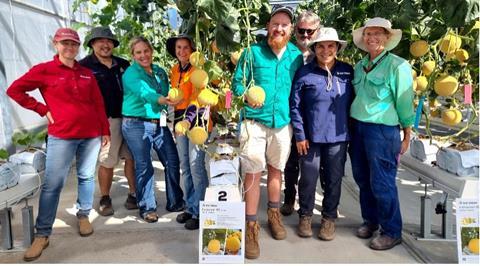
For Lachlan Grierson, Rijk Zwaan client manager and melon and watermelon crop specialist, it was also a valuable opportunity to hear firsthand about changing conditions, challenges and opportunities facing growers.
“It was great to catch up with familiar faces and have conversations with growers and the broader industry throughout the week,” Grierson said. “As a breeding company, we’re continually investing in research and development to improve our varieties and help address these challenges. It’s about delivering the yields and reliability growers need, while also producing melons with the sweetness, flavour and quality that keep consumers coming back.
“We know Australian melon and watermelon growers are producing fantastic fruit, and we want to help them get the best possible return for their efforts. That means investing not only in breeding, but also in initiatives like Veggies First that encourage consumers to choose and enjoy more fresh produce.”
Reflecting on the industry’s ongoing challenges, Grierson emphasised the importance of collaboration and continued innovation.
“There’s no avoiding the challenges facing growers, and those challenges are constantly evolving. The emergence of new biosecurity threats is another reminder of that. We’ll continue working alongside growers, listening to what they need and developing varieties that help them adapt, remain competitive and move the industry forward.”