Industry bodies call for government action to secure critical inputs
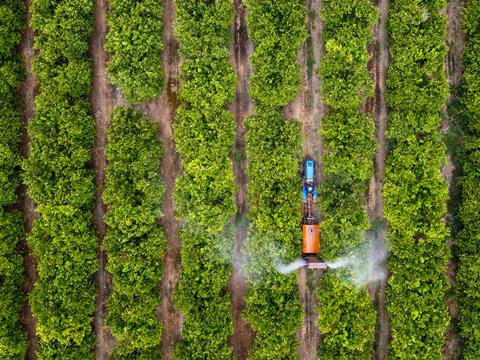
Australian fresh produce growers have expressed concern over fuel and fertiliser shortages, and price rises as conflict in the Middle East continues to disrupt international supply chains.
Industry has called on the government and regulators to ensure growers can retain access to vital farm inputs and to scrutinise the pricing conduct of suppliers.
In an update on 16 March, Ausveg urged all businesses and participants to engage sensibly and constructively with the Australian vegetable growers they supply to ensure the burden of recent surges in key input costs can be equitably absorbed. It also emphasised the importance of coordinated, system-wide national planning and contingencies from government to address current, medium and longer-term impacts of the conflict.
“Fresh fruit and vegetable producers must be considered as a priority sector for any government-directed fuel allocations,” Ausveg said.
”National efforts are required to ensure enough fertiliser is being secured, brought into the country and stockpiled, amid ongoing supply disruptions and fierce global competition.
“Where necessary, government should devote resources to cooperating with global supply chain companies to secure Australian access to critical farm inputs.”
According to the peak body for the Australian vegetable, potato, and onion industries, growers are already seeing the impact of the disruption.
“Concerns over fuel and fertiliser supply in the initial weeks of the conflict have already led to significant price increases in these key farm inputs, and shortages in parts of the country,” Ausveg said.
“The ongoing volatility has also led to major cost increases for other inputs and services growers require to deliver their produce to market. Additional fees and levies charged by some service providers, have led to some costs for growers doubling overnight.”
The National Farmers Federation (NFF) welcomed the Australian government’s announcement on 13 March that it would release up to 762mn million litres of petrol and diesel from Australia’s domestic reserves. The government said distribution would be prioritised for regional, agricultural and maritime customers experiencing supply shortages.
“The release of diesel supplies is especially important, given how critical it is to agricultural production,” said NFF president Hamish McIntyre.
“Trucks, tractors and fishing boats all run on diesel. It’s essential for harvesting crops, transporting livestock and fodder, and getting food and fibre to market.”
McIntyre said the situation had the potential to escalate from a fuel logistics problem into a serious threat to Australia’s food production system.
“Farmers and fishers are telling us fuel is becoming harder to access and the prices are simply becoming unrealistic, and they need to see a clear plan from the government as to how they will respond both now and into the future,” McIntyre said.
“And if farmers can’t access diesel, they can’t harvest crops, plant crops, or move food and fibre to market. We also have industries like dairy that need fuel to move product every single day.”