New report highlights Australian vegetable growers’ concerns as profits fall and costs rise
Ausveg has released its latest Vegetable Industry Sentiment Report, which shows the severe impacts of the Middle East conflict and challenging economic conditions, which continue to place growers under extreme and worsening strain.
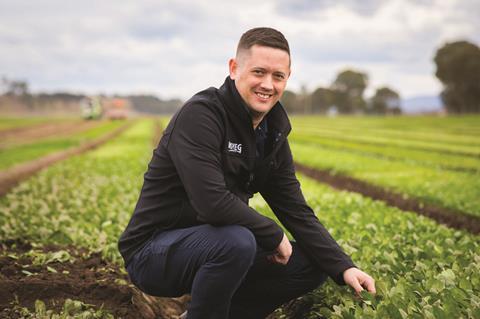
As vegetable prices at the checkout have continued to buck CPI trends and fallen below both overall and food inflation throughout the year, Ausveg has highlighted that these critical dietary staples have remained not only among the healthiest, but also among the best-value foods available to consumers during the ongoing cost-of-living crisis.
The industry body said getting more consumers to choose Australian-grown vegetables and increasing demand for Australian growers’ produce are critical to addressing the survey’s findings, which recorded the lowest sentiment on record.
Ausveg’s 2026 Vegetable Industry Sentiment Report described a worsening viability crisis facing Australia’s vegetable industry and food security, with 88 per cent of growers in late 2026 indicating they were less profitable than 12 months ago, up 44 per cent compared to January this year.
Poor price returns, increased labour costs, lack of profit to re-invest, rising input costs, and an overwhelming compliance burden were identified as the key pressures driving 85 per cent of growers to contemplate leaving the industry.
The rapid deterioration in vegetable farm viability corresponds with increases in growers’ input and production costs since the beginning of the Middle East war. However, these additional challenges have compounded the longstanding systemic challenges of declining profitability, productivity and demand, rampant workforce shortages, compliance overload, and the need for growers to receive more viable farmgate returns, according to Ausveg.
These issues have been consistently identified in consecutive annual Ausveg Industry Sentiment Reports since 2024, and Ausveg has continued to put forward the necessary policy adjustments and reforms to foster more viable vegetable farms, improve productivity, and address workforce shortages and compliance burden.
“Aussie vegetable growers need Aussie consumers on board, because vegetable consumption is at critically low levels. We know households are doing it tough, just like growers. In the relentless cost-of-living crisis, vegetables have remained one of the most affordable foods available to consumers, so it’s critical we get every Australian eating more,” Ausveg CEO Michael Coote said.
“With consumers also increasingly turning to frozen or canned vegetable products, Ausveg is running the ‘Check & Choose’ campaign, urging consumers to always check the country of origin of any canned or frozen vegetable products they buy, and always choose Australian-grown. ‘Check & Choose’ complements Ausveg’s existing ‘Plus One Serve’ campaign to encourage every Australian to eat more Australian-grown vegetables, whether fresh, frozen or canned.”
Coote said the findings served as a wake-up call for government, and anybody with influence over our food supply chain.
“Efforts to increase vegetable consumption are critical to the long-term viability of Australia’s vegetable industry, and just like urgently needed policy changes to increase vegetable farm productivity, reduce the overwhelming burden of compliance and address the vegetable industry’s chronic workforce shortages, require buy-in from government, and the entire Australian community. The pleas from growers need to be heard and acted on by government and those with power and influence over our food supply chains before it’s too late,” he said
The latest Industry Sentiment Report also included feedback from growers on the efficacy of the Food and Grocery Code , with 61 per cent of respondents indicating they supply directly to the ‘big four’, which comprise 83 per cent of the vegetable retail market.
Of growers supplying the major retailers, 88 per cent reported being told they are the most expensive supplier always, sometimes or occasionally, while 61 per cent reported being expected to fund promotions and specials outside of their agreed contract. Almost 80 per cent reported being fearful of negative consequences if not agreeing to supply produce for discounts or specials, while 44 per cent expressed concerns regarding retailer control of freight and logistics supply chains.