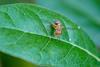
Single male fruit fly discovered as part of Biosecurity New Zealand’s national surveillance programme

Queensland fruit fly on fejoa leaf

Queensland fruit fly

Image: AdobeStock

A biosecurity operation is under way in the Auckland suburb of Mt Roskill following the discovery of a single male Queensland fruit fly in a surveillance trap. 

“The fly was identified this morning as part of Biosecurity New Zealand’s national surveillance programme, involving almost 8,000 traps around the country,” said Biosecurity New Zealand commissioner north, Mike Inglis.  

“By setting traps for these pest insects, we are able to find them early, know exactly where the problem is, and respond quickly and effectively.” 

He added that there have been 13 incursions of different fruit fly in Auckland and Northland since 1996. 

“All have been successfully eradicated thanks to the work of Biosecurity New Zealand, our horticulture partners, and local communities who have stepped up to help,” Inglis said. 

“The capture of a single male does not mean we have an outbreak. However, while we do our checks for any other fruit flies, we need community help to prevent any possible spread.” 

As part of our response protocol, Inglis said Biosecurity New Zealand would ramp up trapping and inspection, with daily checks in a 200-metre zone from the original find and checks every three days in a second zone out to 1,500 metres.  

As a precautionary measure, Biosecurity New Zealand will also put legal restrictions in place on the movement of fruit and vegetables out of the area where the fruit fly was found.   

“Instructions about these controls, and the exact area affected, will be issued tomorrow (Thursday 8 January 2026) once we have completed an initial investigation,” Inglis explained. “In the meantime, we ask that people who live and work in the suburb not take any whole fresh fruit and vegetables out of their property.”  

Biosecurity staff will be providing people in the area with further information.  

“You may notice increased activity in the neighbourhood as we go about inspections and trapping,” Inglis said. “Our field officers may ask to look at fruit trees on your property. They will always show you a form of official identification and will only enter your property with your permission.”  

In addition to the field work, Biosecurity New Zealand is working closely with Government Industry Agreement (GIA) partners in the horticultural industry to minimise the risk to New Zealand growers and exporters.  

While the fruit fly poses no human health risk, if it were to establish in the country there would be economic implications for the local horticulture industry. 

Inglis said Biosecurity New Zealand has among the strictest controls in the world for the importation of fruit and checks at the border. The fruit fly’s arrival was most likely via incoming fresh fruit or vegetables.