Growers are facing rising costs and ongoing uncertainty across freight, fertiliser, fuel and packaging
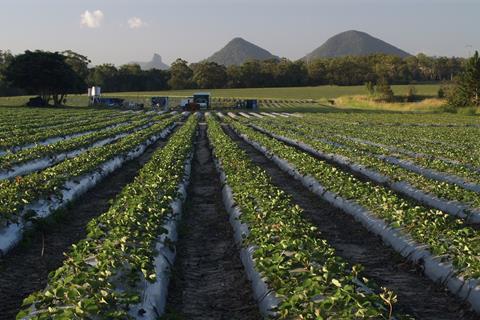
In Australia, Queensland Fruit & Vegetable Growers (QFVG) has said that pressure is continuing to build for horticulture growers despite recent Federal Government measures aimed at supporting freight and input costs.
One week after the Federal Government’s Economic Resilience Program was announced, growers have said they are still facing rising costs and ongoing uncertainty across freight, fertiliser, fuel and packaging, with ”little sign of relief”.
QFVG chief executive Scott Kompo-Harms said the gap is growing between national supply chain support and what is happening on the ground in food production.
“What we are seeing is a supply chain under real pressure,” said Kompo-Harms.
“It is becoming harder and more expensive to get the inputs needed to grow food – and in some cases, supply is not guaranteed.”
Feedback from Queensland horticulture growers shows the pressure many continue to operate under, QFVG continued.
One freight provider has increased its surcharge by 53 per cent in early April, with further reviews expected mid-month.
In fertiliser, growers report widely different outcomes depending on supply arrangements, with some securing product through established supplier relationships, while others face significant price increases and uncertainty around securing required seasonal volumes.
One grower reported fertiliser costs rising from approximately A$1,225 per tonne last year to around A$1,690 per tonne this year, alongside difficulty securing key liquid fertiliser inputs required for planting programmes.
Fuel supply pressures were also raised, with growers reporting inconsistent delivery volumes depending on supplier arrangements and regional demand conditions, including cases where only partial deliveries have been received, with remaining volumes delayed.
Packaging costs have risen by around A$15 per pallet in recent weeks, alongside expectations of further freight-driven increases.
Kompo-Harms said growers are making decisions today about what they can plant and how much they can produce.
“Once that production is lost, it cannot be turned back on overnight,” he noted. “That is where this becomes a food supply issue.”
Queensland produces around one-quarter of Australia’s fresh fruit and vegetables and supports about A$6.06bn in economic activity and nearly 45,000 jobs across regional communities.
Kompo-Harms said governments need to focus not just on freight and supply chains in general, but on ensuring support reaches the people producing food.
“We support efforts to stabilise supply chains, but there is no certainty that fuel excise cuts and cuts to road user charges ever make their way through to growers,” he added.
“We need to make sure that support reaches the farm gate – because that is where food actually starts.”