China’s investments in mandarin plantings have seen its season extend to overlap with Southern Hemisphere timings
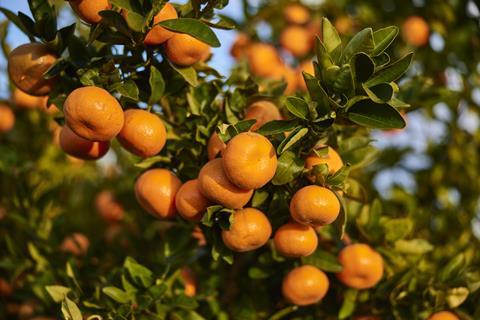
Australia has seen a slower start to its citrus export season this year but, according to Citrus Australia’s Nathan Hancock, demand across key international markets is now strengthening.
“The slower start has been driven by a combination of factors, including the continued presence of Northern Hemisphere fruit in some markets and warmer-than-usual winter conditions across Australian growing regions,” he explained in a statement to growers in June. “These warmer conditions have delayed external colour development, particularly in oranges and mandarins, meaning some fruit has required additional time on tree to reach preferred market specifications.”
Temperatures across Australia’s tri-state growing regions dropped toward the end of June, which Hancock said should support more rapid colour development and help fruit achieve full external colour in the weeks ahead.
“As colour improves and more fruit becomes export-ready, we expect shipment volumes to increase further,” he added. “Strong export demand is particularly pleasing given the continued importance of international markets to the Australian citrus industry.”
Australia exports much of its citrus to Asia, with strong programmes into China, Hong Kong and Japan. Thailand, Korea and Vietnam have also grown in significance in recent years.
“By having a diverse range of markets, we’re able to sell a much greater quantity of our fruit,” Hancock told Asiafruit in June. “With the size of our domestic market at only 25mn people it’s not enough to support our industry. Having key markets throughout Asia is our focus and our intention is to keep growing.”
Despite this strong export demand, Hancock has said challenges remain.
“An emerging issue the Australian citrus industry will need to monitor closely is the continued growth in mandarin production in China,” he said. “China’s investment in new plantings, improved varieties and modern packhouse infrastructure is resulting in larger volumes of high-quality fruit entering both domestic and export channels.”
These investments have also extended the Chinese mandarin season, overlapping with Australia and other Southern Hemisphere exporters’ supply into key markets.
“This growing overlap has the potential to place increased pressure on key export destinations,” Hancock explained. “While Australian citrus continues to hold a strong reputation for quality, sweetness and food safety, the industry will need to be aware and adjust accordingly each season.”