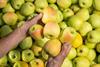
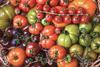
Farmers are in survival mode across much of France, as heatwaves and drought continue to hamper production, with low harvests anticipated as a result
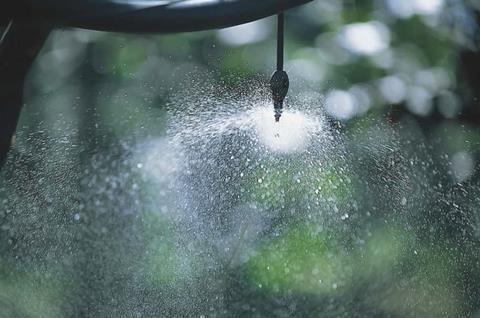
Most of mainland France is baking in its third heatwave of the summer, as 78 departments were put on orange alert this week.
With temperatures set to soar as high as 39C, the Ministry for Ecological Transition met to assess the effects of this year’s continuing drought, which has persisted since May.
According to Météo-France, soil dryness is at record levels nationwide, while the state of smaller rivers and streams is at the “most critical ever recorded” at this time of year, the French Biodiversity Office reported. Nearly two-thirds of the country’s groundwater tables were below normal levels in early August.
Jean-Mathieu Thevenot, a farmer in southwestern France and a member of Confederation Paysanne in the Basque Country, told France 24 that “everything is impacted” by the present drought and heatwave.
In addition to the impact on hay, with shortages feared for animal feed during the winter months, fruit and vegetable producers have also been affected, he said.
“It is not just about water, but also the sun, with fruit and vegetables being burnt on the plant, meaning that harvests will be very low,” he reported. “For vegetables that need a lot of water, like cabbages and leeks, production will be lower than usual, and this will have a huge impact on food security and prices.”
With experts agreeing that such extreme weather conditions are expected to worsen due to climate change, Thevenot suggested the future of farming was under threat in France.
“We have some farmers that are in desperation,” he said. “Their crops and animals are dying and they cannot do anything. This crisis is also affecting the mental health of farmers. When we see these plants and animals dying in the sun, it’s not just economic, it’s psychological.
“I hear some farmers saying this is my last year. I can’t cope with this anymore so I will stop. Other farmers don’t want to stop, but won’t have a choice. Maybe they’re thinking they don’t have enough money to invest in a new water system, so they won’t survive this crisis.”
Thevenot called for a “structural response” to the climate crisis, including moves toward agroecology. “Climate change is now something that is quite clear,” he said. “We think we need a structural response to this, and for the government and public policies to include this new reality and work in a way that farmers can be helped to change.”
Last month, industry body Légumes de France gave its grim forecast: ”Due to a lack of access to water, reseeding and replanting will not be possible unless there is a major shift in the weather within the next two weeks,” it stated, ”something that is not forecast.”
Almost a month on, the Ministry for Ecological Transition has convened the country’s hydrological monitoring committee to discuss the consequences of the drought for agriculture and biodiversity, as well as measures to strengthen resilience in areas facing tensions over water.