Uneven distribution of coldstorage capacity is holding back export growth, according to national association
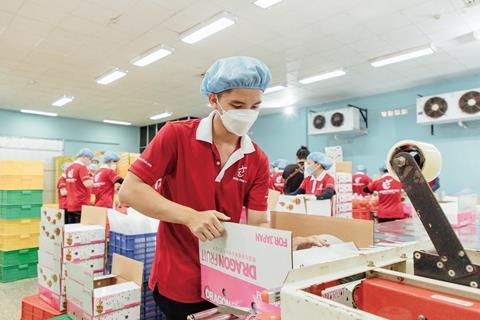
Vietnam’s fresh produce industry has identified coldstorage development as key to maximising fresh produce export growth.
According to a report from Vietnam News, Vietnam’s coldstorage system is unevenly distributed and the imbalance is increasing costs and hampering the country’s export efforts.
Dang Phuc Nguyen, general secretary of the Vietnam Fruit and Vegetable Association (Vinafruit), said that demand for coldstorage was rising rapidly; however, many major production areas, especially in the Central Highlands, still lacked on-site coldstorage.
Instead, coldstorage capacity is concentrated near logistical hubs with highway and seaport connectivity. This leads to a lack of on-site storage in production areas and while areas with developed coldstorage infrastructure are left with excess capacity.
Nguyen said this not only affected business profitability but also reduced the competitiveness of Vietnamese agricultural products in international markets. He added that future coldstorage development must prioritise production regions and adequate transport links to reduce costs and losses.
Nguyen Thanh Tung, chairman of the board of directors of New Era Cold Storage Joint Stock Company (NECS) in Tay Ninh province’s Phu An Thanh Industrial Park, said the need for better coldstorage infrastructure was becoming increasingly important as major markets tightened technical standards and carbon emission requirements.
The NECS is one example of the progress being made, the automated coldstorage system is capable of holding more than 110,000 pallets and officially commenced operations in December 2025.