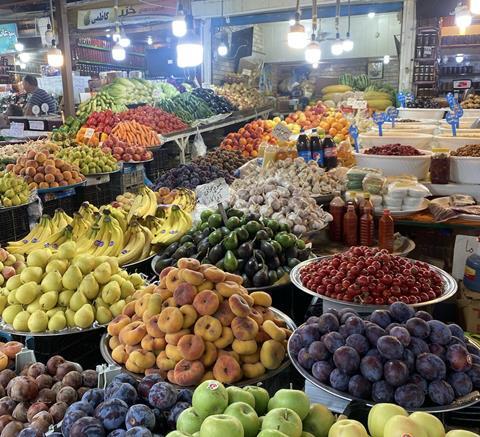
Disruptions including temporary port closures and damage to infrastructure have affected the transportation and distribution of fresh produce in Iran
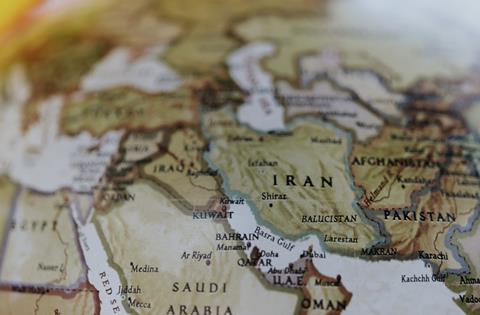
Iran’s agricultural sector is familiar with the effect of outside forces, with long-term international sanctions and logistical constraints severely limiting the country’s access to global markets.
According to Alireza (Shahab) Emami, CEO of Iranian trader Zarrin Group, these challenges predate the most recent conflict, with industry players already having to adapt to such conditions.
“In recent years, due to sanctions, international shipping companies had halted their cooperation with Iran, and access to refrigerated containers became extremely limited,” Emami told Fruitnet. “Our import and export routes were already facing serious restrictions.”
However, the US-Israeli attacks in July 2025 and the massive escalation this year have triggered an unprecedented economic shock and ushered in a new phase of instability, according to Emami.
“For the first time, the direct entry of the US into the conflict created a significant economic shock,” says Emami. “This led to rising inflation expectations, increasing transportation costs and ultimately affected the prices of many goods, including agricultural products.
“The prolonged nature of this war has affected not only Iran’s economy, but the global economy as well. Rising oil and fuel prices have directly driven up maritime transport costs across the region and beyond.”
Domestically, the impact of the war has been widely felt across Iran’s agricultural supply chain. Nationwide disruptions, infrastructure damage and the pressures of wartime conditions have significantly affected transportation and distribution systems, according to Emami.
“The shutdowns affected almost all cities,” he revealed. “Transport fleets, drivers and distribution networks all faced disruptions, directly impacting the movement of agricultural goods.”
Closures at southern ports
One of the most critical pressure points has been Iran’s southern ports, which play a key role in the import of tropical fruits, particularly bananas. “The southern ports – the main entry points for banana imports from the Philippines and container shipments from India – faced closures,” revealed Emami. “Damage to port infrastructure has also created serious uncertainty about the future of these routes.”
Rising oil prices translated into higher fuel costs and, consequently, increased international freight rates. This dynamic has affected not only Iran but the broader region, raising the cost of trade for everyone.

“Shipping costs have risen by 50-60 per cent on certain routes, while competition for key inputs such as sulphur has intensified, placing additional strain on global supply chains and indirectly impacting agricultural markets, including those in the Middle East,” said Emami.
Despite these pressures, one of the most notable developments has been the absence of significant inflation in Iran’s fruit market.
“Contrary to expectations, we did not witness a meaningful increase in fruit prices, even for imported products such as bananas,” Emami said. “Imports have faced serious constraints and have at times been effectively halted. However, in wartime conditions, economic pressures reduce consumption. This has happened and is still ongoing. As a result, despite disruptions on the supply side, prices have not increased.”
Large volumes in storage
Most experts expected imports to completely stop, and they did initially, before alternative routes sprung back into action. “The land route via Turkey and the Bazargan border crossing continued operating, albeit with higher costs and its own set of challenges,” said Emami. “In the absence of maritime imports, these alternative routes partially supplied the market. However, the final cost of goods such as bananas, particularly those originating from Latin America, increased due to longer transit distances and higher freight costs.”
At the same time, distribution and export channels have been disrupted. “The closure of some wholesale markets in cities and provinces more heavily affected by attacks led to breakdowns in last-mile distribution to retailers,” said Emami.
The timing of the conflict also mitigated the impact on production in Iran, since it has not coincided with major harvesting seasons. “Key products such as apples, oranges, mandarins and kiwifruit had already been harvested and stored in coldstorage facilities,” said Emami. “As a result, producers have not been directly affected at this stage.”
Instead, traders, intermediaries and exporters have borne the brunt of the impact. “A large share of these products was intended for export, but shipments were disrupted,” Emami explained. “At the same time, seasonal demand around the Persian New Year did not materialise as expected, leaving significant volumes of produce in storage.”
Overall, Emami expects limited inflationary pressure in the fruit sector. “Fruit is a highly perishable commodity and cannot be stored long enough to create artificial shortages,” he said. “Therefore, we do not anticipate inflation in this segment.”
However, imported products may be different. “Bananas could follow a different trajectory,” he said. “If southern ports do not fully return to normal operations and import routes remain constrained, price increases in this segment are possible.”
Should the conflict come to an end, market dynamics may shift once again. “If conditions stabilise and coldstorage inventories are released into the market, we may even see a decline in prices for domestic fruits,” said Emami. “However, for bananas, the outlook will depend on the status of ports and import routes. We are still in the middle of an evolving situation. What happens next – both in terms of the conflict and market response – remains highly uncertain.”