Exports set to commence next year after almost two decades of negotiations for access
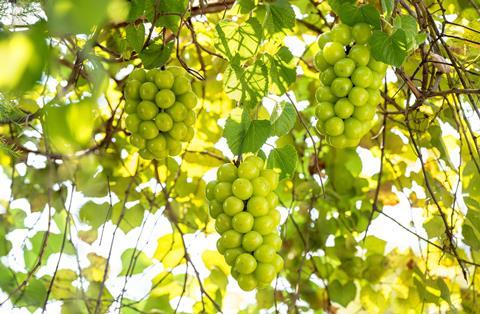
Korea’s Animal and Plant Quarantine Agency has announced that export quarantine negotiations with the Philippines have been finalised for Korean grapes, allowing exports to begin next year, according to a report by The Asia Business Daily.
“The conclusion of these quarantine negotiations is an important milestone for pioneering the Philippine market for Korean grapes, whose exports have been steadily increasing, and for further strengthening the presence of K-agricultural products in the Southeast Asian market in the future,” Choi Jeong-rok, head of the Animal and Plant Quarantine Agency told the publication. “We will continue to identify new markets to expand exports of our agricultural products.”
The negotiations, which had been ongoing since 2007, included consultations with Philippine authorities to establish management measures for pests and diseases of concern. This included an official visit in August last year where Philippine quarantine officials were invited to conduct on-site inspections of domestic grape orchards and packing facilities.
Under the new agreement, Korean grape exporters must register orchards and export packing facilities, conduct pest monitoring, and provide additional statements on the phytosanitary certificate.
In the announcement, the agency said it plans to implement follow-up procedures to support Korean grape exports, including enacting a public notice reflecting the agreed quarantine requirements with the Philippines and providing tailored training for farmers.
“Korean grapes are a product whose exports to markets such as Taiwan and the US have been steadily increasing,” an official from the agency said. “Given the high popularity of K-Food in the Philippines, strong demand is also expected there. The conclusion of these negotiations is significant in that it expands the foundation of the South-East Asian market.”
With the new access agreement underway, grapes mark the eighth Korean agricultural product eligible for export to the Philippines. Other products include apples, pears, persimmons, onions, tangerines and strawberries, according to The Asia Business Daily.