A 32 per cent violation rate of maximum residue limits could see Vietnamese passionfruit face stricture export measures to the EU
Vietnamese fruit could face increased export requirements to the EU after a report on pesticide residues found Vietnamese passionfruit had a 32 per cent violation rate of maximum residue limits (MRLs), while dragon fruit showed an 11 per cent rate.
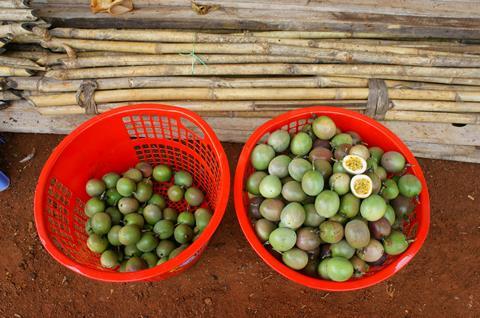
The report, which was published in February by the French General Directorate for Food based on inspections conducted in 2024, is part of the EU’s coordinated control programme. The European Commission (EC) uses results from the report to assess risks and determine regulatory measures for imported products.
According to Vietnamese publication Tuoi Tre News, the findings have prompted warnings from the Vietnamese Trade Office in France that exports of both passionfruit and dragon fruit could face stricter scrutiny if growers and exporters failed to take corrective action.
The report found Vietnamese passionfruit exceeded the EU MRLs in 15 of the 47 samples tested. Some samples also contained omethoate, a chemical considered potentially harmful to consumers.
These results made the fruit the “most concerning product” and could see it added to the EU list of products subject to enhanced controls or stricter import requirements.
The EU categorises these lists into Annex I and Annex II. Products listed under Annex I are subject to more frequent border inspections, which has the potential to delay customs clearance. Exporters of products listed under Annex II, are also required to provide test results and food safety certificates before they ship. Each added requirement increases logistics, testing and storage costs as well as adding to the risk of delays. The EC reviews these lists of high-risk products every six months.
While Vietnamese dragon fruit showed a lower violation rate of 11 per cent, with only one of the nine samples tested exceeding the limits, it is already listed in Annex I of EU Regulation 2019/1793, subjecting it to a 50 per cent inspection rate at EU borders.
If violations continue it is unlikely the fruit will see a reduction in inspection frequency in the future, according to Tuoi Tre News.
The Vietnamese Trade Office in France stressed that this is an EU-wide technical barrier, not limited to the French market. It called on exporters, cooperatives, and producers to urgently review the entire production chain, from cultivation to harvesting, processing, and packaging in order to maintain market access. It also urged regulatory agencies and industry associations to strengthen monitoring, issue early warnings, and provide technical support to the sector.