USDA reports points to climate risks related to El Niño, as Brazil strengthens its position as neighbour’s principal export market
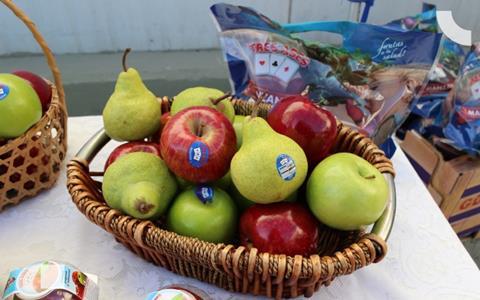
Argentina’s apple and pear production is forecast to decline slightly in 2026/27, as El Niño raises the risk of excessive rainfall during the growing season, according to the US Department of Agriculture’s Foreign Agricultural Service (FAS).
Apple production in the country is expected to fall to 523,000 tonnes, from 530,000 tonnes in 2025/26, while pear output is forecast to decline slightly, from 658,000 tonnes to 655,000 tonnes.
FAS Buenos Aires forecast apple exports at 84,000 tonnes in 2026/27, supported by demand from Latin American markets including Brazil, Paraguay and Bolivia.
Brazil has become an increasingly important outlet for Argentina’s apple trade, and its share of exports has apparently risen from around 25 per cent in 2019 to 55 per cent in 2025.
Paraguay, meanwhile, accounted for around 20 per cent of shipments in recent years, while Russia and the US each took less than 10 per cent.
Pears under pressure
Meanwhile, Argentinean pear exports are forecast at 345,000 tonnes in 2026/27. FAS said rising production, labour and transport costs, limited access to finance and low international prices continued to put profitability and investment under pressure.
According to its latest report, Brazil accounted for 51 per cent of Argentine pear shipments in 2025, followed by Russia and the US on 19 per cent each.
Similar to apples, Brazil’s share has risen significantly in recent years – from 32 per cent in 2019 – while Russia’s has declined from around 26 per cent to below 20 per cent.
Argentina’s distance from major export markets also makes international competition difficult, particularly for smaller growers.
However, the report noted that FOB prices had risen, with average apple rates reaching US$889 per tonne during January-September 2026 and pears averaging US$960.16 per tonne over the same period.
The agency also noted that a 10 per cent US tariff introduced in April 2025 remained in place for Argentine exports as of October 2026, increasing the cost of the country’s apples and pears in the US market.