Multinational expands partnership with Dutch company The Banana Factory to rescue more than two million bananas per year
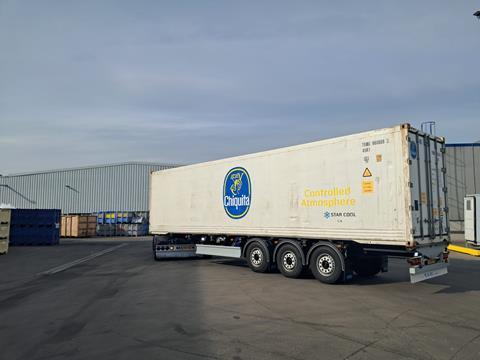
Multinational fruit company Chiquita says its decision to expand a partnership with Dutch processing company The Banana Factory could soon see it turn more than 2mn apparently unwanted bananas into purée for the food industry every year, thus saving them from going to waste.
“We think that it is immoral that food goes to waste,” Chiquita’s sustainability director Peter Stedman tells Fruitnet when asked about the project. “We wish that all of our Chiquita bananas that we have grown with passion and care all made it to consumer’s homes. A few don’t make it but we are delighted to see The Banana Factory going from strength, processing and transforming waste banana into food again; helping us ensure no banana is wasted.”
Since 2023, the group has worked with The Banana Factory to rescue the small proportion of its fruit that came into the Dutch port of Vlissingen – its main gateway in northern Europe for imported bananas – each year, but ended up being rejected.
As Stedman points out, this was often because the ripening process had already begun before the bananas reach the market.
“Our supply chain waste, depending on geography and time of year runs at about 0.8 to 1 per cent on average,” he explains. “A significant proportion [of this] is caused by early ripening, which then makes them perfect for The Banana Factory.”
Reused not rejected
Since the project got off the ground, it is estimated that more than 20mn bananas have been processed that would otherwise have been destroyed.
Although the fruit was still suitable for consumption, for a long time companies were not allowed to use them to make food products such as banana bread or cookies.
It was only in 2022, after The Banana Factory lobbied for a change in the regulations, that a motion proposed by Dutch MP Roelof Bisschop was approved in the House of Representatives which permitted rejected bananas to be turned into purée under certain conditions, instead of being destroyed.
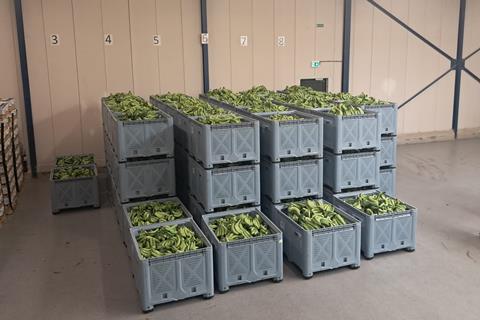
Tom van Hees, commercial director of The Banana Factor, says his company is “glad and grateful” that Chiquita has commited to extend their collaboration.
“Both companies, Chiquita and The Banana Factory are completely convinced that a zero waste strategy is best for all stakeholders in our industry,” he comments. “This collaboration shows it’s possible to innovate and we expect that this volume will contribute to The Banana Factory’s growth plans in the coming years.”
Van Hees also said he believed there would be increased consumer demand for natural fruit ingredients in certain foods in future, as well as for greater pressure on companies to reduce wastage.
“Banana purée and fruit purées in general are increasing in consumption due to their pure character (no additives) and functional role in adding nutritional values to products and replacing sugar,” he says.
“What we want to achieve is that edible fruits and vegetables are not destroyed but still used for human consumption. Something that is common for fruits like apple, berries, and so on. Now it’s time [to do the same] for bananas.”
He adds that The Banana Company is working with other suppliers to achieve similar waste reduction, and is open to new collaborations.
“Yes we collaborate with other large importers,” he tells Fruitnet. “As we scale up, we are still open for more suppliers that want to reduce their waste costs and believe it’s the right thing that those bananas are saved and finally used for human consumption.”
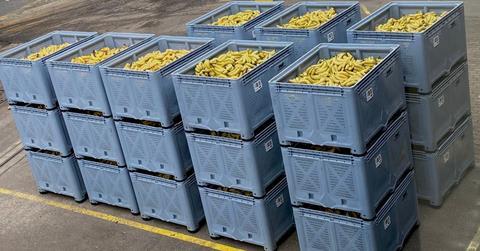
Future plans
Indeed, the partnership with Chiquita marks an important step in a bigger mission to tackle banana waste in multiple European ports, says Laura Hoogland, who founded Sunt Groep, parent group of The Banana Factory and its sister company Bakers & Bananas.
“The banana supply chain has remained unchanged for decades, so it is fantastic that we have been able to make this chain smarter and, above all, more sustainable,” she says.
Currently, the group processes 1,500 tonnes of bananas each year, and has ambitions to process all of the port waste in Benelux and Germany. That’s no small amount, at around 33,000 tonnes per year, or more than 170mn individual bananas.
Hoogland adds: “By 2028, we expect to process 22,000 tonnes of bananas into purée annually in our – and Europe’s – first full-scale banana factory.”