Steve Nelson, CEO of Plant Sciences Genetics, says the EU’s agreement on gene-edited plants marks a turning point for plant breeding innovation

In December 2025, the European Union reached a landmark agreement to allow certain gene-edited plants, developed using New Genomic Techniques (NGTs), to be regulated similarly to conventional breeding methods rather than under the stringent GMO framework. After many years of discussion, this reform was finalised after negotiations between the European Parliament and the Council of the EU.
Over the long term, a clearer regulatory pathway for gene-edited crops represents a meaningful opportunity for the global fresh produce industry. It also reflects a growing recognition that technology will be essential to addressing climate, pest and disease, sustainability, and cost pressures facing growers and the environment. At the same time, retailers and consumers have rising expectations for higher quality, longer shelf-life, greater consistency, improved affordability, and reliable year-round supply.
What this means for companies like PSG
For companies at the intersection of genetics, breeding, and commercial agriculture, the EU decision will shape how we invest, innovate, and collaborate.
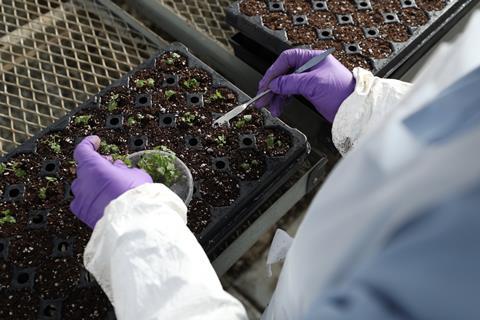
Plant Sciences Genetics (PSG) is a family-run plant breeding company in Watsonville, California, founded over 40 years ago. We breed all four major berry crops and provide plants of our varieties to growers in more than 50 countries. While traditional breeding remains our foundation, we have embraced modern gene-editing tools to tackle challenges that conventional methods cannot always solve quickly.
Another tool for tough breeding problems
Since the 1990s, we have followed a philosophy of collaborating with technology companies to better understand how scientific advances can improve plant breeding. While traditional breeding remains the foundation of our programme, we also recognise the significant opportunity to address difficult challenges using modern gene-editing tools.
An example of a hard breeding problem that may best be solved by gene editing is that of Pestalotia, which is a destructive fungal disease in strawberries. Some of our varieties show natural resistance, but they are not necessarily suited to all environments. Transferring this trait across programmes through conventional breeding can take decades. We are working to identify the genetic source of resistance and expect gene editing will help to accelerate deployment of resistant varieties across all regions.
Two specific products in development at PSG
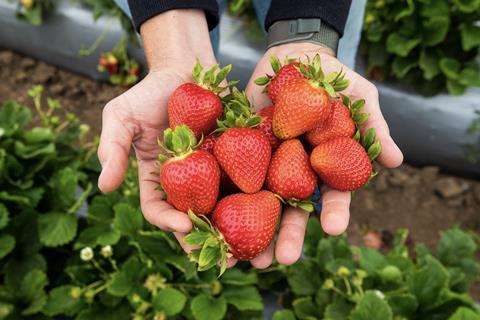
Firstly, strawberries. We possess two sister strawberry varieties that offer long shelf-life and strong shipping performance, one with great flavour and the other with higher yields. Combining these traits through conventional breeding has proven difficult. To overcome this, we partnered with Simplot for gene editing, enabling the higher flavour variety to flower earlier and with fewer gaps enabling fruit production outside its normal season for broader adaptation and year-round supply.
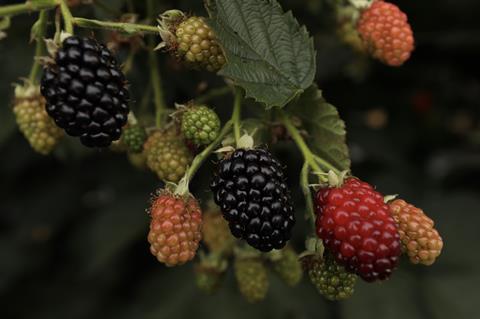
And then in blackberries, we have partnered with Pairwise for gene editing, to improve yields and enhance the eating quality of one of our most competitive blackberry varieties by reducing seediness.
These projects aim to improve fruit quality, reduce waste, and strengthen supply chain resilience. We focus on agronomic performance and consumer experience. Gene editing won’t solve every challenge, but it can complement traditional breeding by enabling precise, targeted improvements. We will introduce these products first in markets open to innovation, ensuring adoption is driven by clear benefits. Decades of experience tell us that no technology can turn a poor variety into a good one, but it can accelerate progress and help address the agronomic, economic, and sustainability challenges facing our industry.
Looking ahead
For many years, we have seen curiosity and cautious interest in our technology programmes from European customers. The EU’s decision increases the likelihood that innovations like these may eventually benefit European growers and consumers, expanding access beyond a limited number of markets. That matters not only for PSG, but for the ecosystem of breeders, growers, and retailers that depend on access to competitive, high-performing genetics.
In an environment where more and more is required of breeders and genetics, these improvements are probably not optional but rather necessities. While the EU’s decision is not the final word on gene editing in Europe, it is an important step in the right direction. For PSG, this moment is both validating and motivating. It reinforces our commitment to investing in solutions that deliver tangible value to growers, retailers, and consumers alike.