From inspection times to storage, the period between vessel arrival and inland distribution can make or break the shelf-life of fresh produce
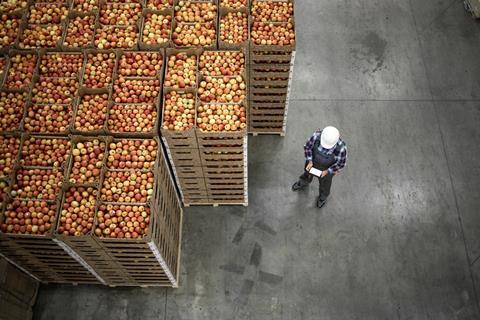
For decades, fresh-produce supply chains have focused on reducing transit times. Faster vessels, more efficient routing and improved refrigerated transport have all helped fruit and vegetables move from growers to consumers more quickly.
But as retailers look to reduce waste, another measure matters just as much now: how much shelf-life remains when produce reaches the retailer.
That puts greater focus on what happens at the gateway.
Ports have traditionally been viewed as transfer points between sea and land, yet the period between vessel arrival and inland distribution can have a direct impact on product condition.
Containers may need to pass through inspections, customs processes, storage and onward transport, often within narrow delivery windows. Delays at this stage can erode the shelf-life protected during the ocean journey.
Ports therefore need to be treated as part of the cold chain itself.
The priority is not any single facility, but how well terminal operations, inspections, cold storage and inland transport work together.
Produce with a shorter remaining shelf-life may need to be prioritised differently from cargo with more time before it reaches the retailer.
Better information helps operators make those decisions. Data on arrival times, temperatures and cargo status can support decisions about inspections, storage allocation and onward movement.
Visibility has most value when it helps teams identify an issue or prioritise a shipment, rather than simply showing where a container is.
Infrastructure also matters. Locating temperature-controlled storage and other produce-handling services close to the terminal can reduce unnecessary movements and waiting time.
DP World’s planned temperature-controlled logistics hub at the Port of Antwerp, for example, will add specialist warehousing capacity adjacent to terminal operations for perishables.
The value of this model is the ability to manage produce more closely as it moves from vessel to storage and then inland. Reducing dwell time and unnecessary handling can help protect product quality and preserve more shelf-life for the retailer.
That should also influence how gateway performance is measured.
Crane productivity and vessel turnaround remain important, but for fresh fruit and vegetables, so do inspection times, transfer to cold storage, temperature integrity and remaining shelf-life.
As fresh-produce supply chains become more complex, ports have a bigger role to play in protecting the condition of fruit and vegetables after they arrive.
The strongest gateways will be those designed not only to move produce quickly, but to preserve its freshness until it reaches the next stage of the supply chain.