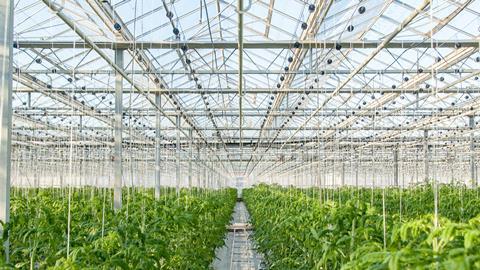
Modernised proposals could boost UK self-sufficiency in fruit and vegetables
The NFU has welcomed the government’s announcement of a consultation on reforms to the planning system that will make it easier for farmers and growers to grow their businesses and secure approval for new agricultural buildings.
Changes to the Principle of Development mean local planning authorities will now be expected to give a default “yes” to agricultural developments in rural areas, except in exceptional circumstances, the NFU explained. This is expected to reduce red tape, speed up applications and support investment in modern facilities.
The reforms also reaffirm the government’s commitment to consult on Biodiversity Net Gain (BNG) exemptions for smaller sites in the new year, while simplifying rules to make it cheaper and easier to deliver biodiverse habitats offsite.
For farmers and growers, the practical impact of these reforms will be felt in reduced red tape and clearer guidance when bringing forward small-scale developments, the NFU said. Farmers and growers will be able to spend less time navigating complex planning rules and more time focusing on food production, investing in their businesses and supporting rural employment.
The change should help small family farms remain competitive and resilient in the face of rising costs and regulatory pressures, the union emphasised.
‘Significant step forward’
NFU vice-president Rachel Hallos said: “The government’s proposed consultation is a clear indication of its intent to modernise the planning system and make it work better for farming businesses. We agree with secretary of state [for housing] Steve Reed that the current system is not working well enough and must change to allow our members’ businesses to grow and invest in the future.
“The changes to the Principle of Development would, if implemented, be a significant step forward in making planning simpler and more supportive of farming businesses.
“Water access is also of utmost importance to many agricultural businesses – particularly those in the horticultural sector – and stronger support for reservoirs in the National Planning Policy Framework means farmers and growers are one step closer to securing reliable access to clean water, safeguarding the UK’s future food security.
“Farmers remain committed to caring for the countryside and enhancing the natural environment. With simplified rules, the sector will continue to play a vital role in protecting biodiversity, maintaining hedgerows, improving soil health and safeguarding water quality. These reforms help provide a fairer framework that allows them to balance environmental care with the urgent need to produce healthy, sustainable and affordable food for the nation.”
Potential £5bn economic boost
The proposals were also welcomed by IGD chief executive Sarah Bradbury, who referenced the IGD’s Driving Growth Through a Thriving Food System report, which said the change has the potential to contribute an additional £5bn to the economy through investment in expanded production capacity and to create 60,000 new jobs.
”This proposal will strengthen the UK’s ability to grow more of its own fruit and vegetables and produce more of its own poultry, reducing reliance on imports and improving food security.
”At IGD, we champion ‘good growth’, growth that delivers economic resilience, environmental sustainability and better health outcomes. Boosting domestic production is a clear example of good growth in action.”