Pest posed a major threat to potatoes, as well as other salad vegetables

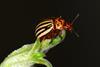
The Colorado beetle

The Colorado beetle

Image: Nico Westerhof, CC BY-SA 4.0, via Wikimedia Commons

The government has declared a major potato pest to have been eradicated from the UK following extensive operational investigative work and surveillance.

The Colorado beetle was discovered in Kent in July 2023 following lab diagnosis of samples, with one finding later that year. The beetle can completely strip the leaves from potato plants and several other crops, including tomatoes, aubergines and peppers, and can have a significant economic impact if left uncontrolled.

No further beetles have been found in the space of two years, the government said, in a boost for farmers, gardeners and allotment holders who grow potatoes. This has meant eradication status has officially been reached.

Colorado beetle, which does not pose a risk to human health, has previously been detected on imported plant products, such as leafy vegetables, salad leaves and fresh herbs. The beetle is highly distinctive – it is orange-yellow in colour with 10 characteristic black stripes on its body.

The government said that the co-operation and vigilance of farmers, gardeners and allotment holders has played a key part in the eradication campaign, along with effective biosecurity measures from the Animal and Plant Health Agency and Defra.

Farming minister Angela Eagle said: “This is great news for British farmers. We will continue to work with partners and stakeholders to maintain UK biosecurity and protect British crops from future threats.”

Defra chief plant health officer Professor Nicola Spence added: “Colorado beetle can pose a significant threat to plants and the wider potato industry, and I’m grateful for the role of farmers, home gardeners and allotment holders in helping us take the action needed to protect our national crops.

“This has been a huge team effort and is good news for the potato industry, but in order to prevent further outbreaks, it is vital the public continue to be vigilant and report suspected sightings to the Animal and Plant Health Agency with a photo and location details.”