UK’s big food retailers pour scorn on government’s suggestion of price caps on essential items to ease cost of living crisis
UK chancellor Rachel Reeves has quietly ditched her tentative proposal to cap the price of essential groceries to ease the worsening cost of living crisis in the country, following the non-plussed reaction of some of the country’s food retailers.
M&S chief executive Stuart Machin called the idea “completely preposterous”, while former Asda chair Lord Stuart Rose dubbed it “nonsense” and “idiotic”.
“Last month, I met with supermarkets to urge them to do all they can to keep prices low, and today I am taking action by suspending tariffs on over 100 different foods sold in supermarkets,” Reeves said, talk of price caps all but forgotten. “And I am clear that I expect supermarkets to pass these savings on in full to their customers.”
Andrew Opie, director of food and sustainability at the British Retail Consortium, told City AM: “To support shoppers, the government should focus on the UK’s farmers, food producers and retailers by cutting energy bills. While any assistance is welcome, cutting tariffs alone will barely touch the sides in offsetting the rising costs supermarkets face.”
Supermarkets have called instead for the government to ease the red tape, including on things like Extended Producer Responsibility (EPR), a sustainable packaging tax and changes to healthy food rules – so they can offer lower prices.
But just because supermarket bosses don’t like the idea of price caps – and that appears to have been sufficient to trigger a government U-turn – the viability of such a scheme is still up for debate.
One issue the supermarkets have been eager to highlight is the public’s misperception of the size of their margins.
Supermarkets enjoy roughly a 2-4 per cent margin, far lower than most of the public believe, according to a January survey by the Institute of Economic Affairs. That poll’s sample of more than 3,000 adults estimated supermarket margins at around 50 per cent.
Price possibilities
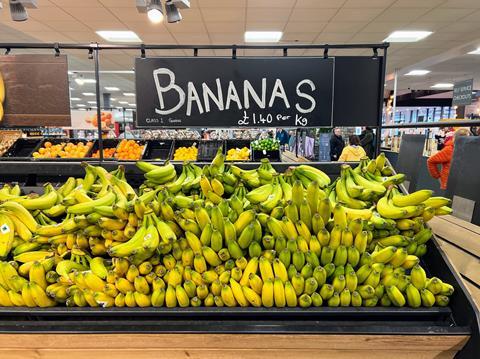
Some bosses have also pointed out that many essential items like bread, milk and bananas are already loss-leaders, sold below cost price.
However, this does raise questions about whether the food system could be tweaked a little more to work to the benefit of consumers. Could unhealthier foods be sold at a slightly higher price to ensure healthy fresh produce stays more affordable?
In Scotland, SNP first minister John Swinney has pledged a mandatory cap on the price of 20-50 essential items in large supermarkets. However, the items named so far – bread, milk, cheese, eggs, rice, and chicken – are not regarded as the absolute healthiest.
Catherine David, CEO of global climate action NGO Wrap, believes tackling food waste is a big missed opportunity when it comes to the cost of living crisis, pointing out that households could save an average of £10 a week by halving their food waste.
“When it comes to energy, we rightly look both at the prices people are paying and energy efficiency measures,” she said. “But when it comes to food, recent debate in the media has focused on food prices – already highly competitive – without any mention of the huge opportunity of ensuring that we get everything we pay for when we pay for food, and that we only pay for food that we actually end up eating.
“Today, the average household of four throws away £1,000 of food every year – £20 from a typical weekly food shop. But this is rarely seen as a way of reducing costs. Our research shows that people underestimate how much they waste and don’t connect food waste with their spending. It’s an invisible cost households never see, but pay dearly for.”