Andy Burnham will meet EU leaders in Brussels on 20 November, with proposed sanitary and phytosanitary (SPS) agreement among priorities
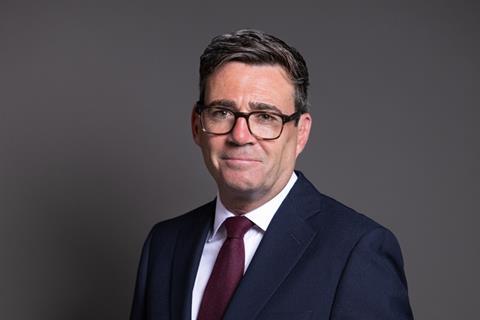
The UK and European Union will hold their second post-Brexit summit in Brussels on 20 November.
The Prime Minister will meet António Costa, President of the European Council, and Ursula von der Leyen, President of the European Commission, with discussions expected to cover food and drink trade, youth mobility and emissions trading.
The summit comes as the government pursues a closer trading relationship with the EU, arguing that reduced paperwork and fewer border checks could lower costs for farmers, food producers and businesses.
A joint declaration is expected at the conclusion of the meeting.
The first summit, held in London on 19 May 2025, established a new strategic partnership. The second summit was originally scheduled for July but was postponed following the resignation of former prime minister Sir Keir Starmer.
In Brussels, leaders will review progress since then and agree on practical next steps to deepen cooperation on security, illegal migration and crime, while cutting red tape and lowering costs for farmers and food businesses.
Speaking in Parliament, Burnham claimed these agreements could potentially add an estimated equivalent of £10bn per year to the economy by 2040.
SPS deal
The proposed SPS deal is intended to reduce routine certification requirements and border checks for most food, animal and plant products traded between Great Britain and the EU. The government intends the agreement to take effect in mid-2027.
Speaking to MPs, Burnham said: “It is a chance to cut costs and bureaucracy for sectors like farming,” he said. “At present, entire truckloads of plants or fresh produce can be destroyed because of a single missing stamp or a minor paperwork delay.”
The Fresh Produce Consortium (FPC) have said they support a better trading relationship with Europe but have voiced concerns that the proposed arrangement could transfer additional costs and disruption to Rest of World imports.
The industry body estimated that the changes could end up adding over £300mn in extra costs, and said there was a danger of “substantial new costs, complexity and border friction across the UK food supply chain”.
In a press release, Burnham said: “A threadbare Brexit deal has damaged our economy. Britain can do so much better, so at this summit I want to take practical steps that pay off for the British public, cutting costs for our farmers, food producers and families.
“The EU is our closest neighbour, largest market and a vital security partner. The deals we are working towards will make us safer, cut back on paperwork that bogs down business and ease pressure on supermarket prices.
“I want every family and business to feel the benefits of a closer relationship with Europe, and that’s what I will be focused on in Brussels,” he continued.