Industry body ADBA argues the use of domestic biofertiliser can help reduce shocks to farming
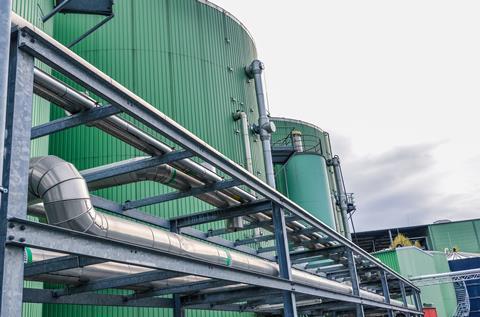
British biofertiliser could replace imported artificial fertilisers if the government removes ‘unnecessary’ restrictions to help farmers, according to the UK trade body representing green gas and bioresources.
Amid fears of rising prices as the Iran war continues, trade association ADBA has written an open letter to Defra secretary of state Emma Reynolds to call on the government to loosen restrictions on the use of biofertiliser.
The Anaerobic Digestion and Bioresources Association said the government should take action to protect farmers from ballooning prices in imported synthetic fertiliser. It comes following the closure of the Strait of Hormuz and a surge in the price of natural gas, from which synthetic fertiliser is produced.
Over one million tonnes of synthetic fertiliser is currently used for food production in Britain, whereas the alternative digestate is currently under-utilised, ADBA noted.
The letter to Reynolds argues that to achieve lasting food security in the UK, Defra needs to support British farmers by promoting the use of digestate in agriculture. Digestate is the natural and nutrient-rich biofertiliser generated through anaerobic digestion (AD) as a byproduct of biogas production.
ADBA, which is chaired by former energy secretary Chris Huhne, called for digestate spreading rules to be relaxed so that farmers can make best use of the bioresource.
With over 750 biogas plants operating across the UK, the volume of biofertiliser potentially available to farmers is significant, it added.
In the letter, Huhne explains: “Crises have shown how quickly markets can destabilise. A significant share of global LNG trade passes through strategic chokepoints such as the Strait of Hormuz, meaning that disruption could quickly translate into higher costs for UK agriculture.
”For farmers, this could mean fertiliser prices rising again to well above £700 per tonne, and potentially approaching £900 per tonne during the fertiliser spreading season. Such price spikes place direct pressure on farm margins, increase food production costs, and ultimately risk feeding through into higher prices for consumers.
”Digestate can replace a significant share of gas-derived synthetic fertiliser while returning nutrients to UK soils, could replace around 25 to 30 per cent of synthetic nitrogen fertiliser use… [and] offset around £170mn of economic risk in the first year alone.”
Currently the UK has no synthetic fertiliser production, with the last production coming to an end in 2022, but has a wealth of existing biofertiliser being produced, with the potential to grow further.
Restricting the use of the resource in agriculture leaves the country vulnerable to international energy price and supply shocks, including those created by the wars in the Middle East and Ukraine, ADBA argued.